That unmistakable, pungent aroma wafting from the litter box – it’s a reality for many cat parents. But when your cat poop smells extremely bad, it’s more than just an unpleasant odor; it can be a signal that something isn’t quite right. Understanding the root causes is the first step toward a fresher-smelling home and a healthier feline friend.
Your cat’s digestive system is a finely tuned machine. When it’s functioning optimally, their waste shouldn’t be overwhelmingly offensive. However, a sudden or persistent foul odor can point to various issues, ranging from simple dietary adjustments to more serious health concerns. Let’s dive into why this happens and what you can do about it.
The Science Behind Cat Poop Odor
Fecal odor is primarily caused by bacteria in the gut that break down undigested food. This process releases gases, including sulfur compounds like hydrogen sulfide, which are notoriously smelly. The specific components and intensity of the odor depend heavily on what the cat eats and how efficiently their body processes it.
When the smell becomes truly “extremely bad,” it often indicates an imbalance or a problem within the digestive tract. This could be due to food intolerances, infections, or other underlying medical conditions. The key is to recognize when the smell goes beyond the normal, slightly pungent aroma of cat feces.
Common Culprits Behind Extremely Bad Smelling Cat Poop
Several factors can contribute to your cat’s waste becoming unusually pungent. Identifying the most likely cause is crucial for addressing the problem effectively.
Dietary Issues and Indigestion
What goes in must come out, and the quality of your cat’s diet plays a massive role in the odor of their stool. A diet that is difficult for your cat to digest can lead to more gas and stronger-smelling feces.
- Poor Quality Food: Cheaper cat foods often contain fillers like corn, wheat, or soy, which cats aren’t designed to digest efficiently. This undigested material ferments in the gut, producing foul-smelling gas. Look for foods with high-quality protein sources as the primary ingredients.
- Sudden Diet Changes: Switching your cat’s food too quickly can upset their digestive system, leading to temporary diarrhea or constipation, both of which can contribute to bad odors. Always transition food gradually over 7-10 days.
- Food Allergies or Intolerances: Just like humans, cats can develop sensitivities to certain ingredients, often proteins like chicken, beef, or fish. An allergic reaction can cause inflammation in the gut, leading to poor digestion and smelly stools. Other symptoms might include itching, vomiting, or diarrhea.
- Dietary Imbalance: A lack of essential nutrients or an excess of certain components can disrupt gut health. For instance, too much fat can be hard to digest for some cats.
Gastrointestinal Health Problems
Beyond diet, various conditions affecting the digestive tract can dramatically worsen poop odor.
- Bacterial Overgrowth or Imbalance: An overgrowth of harmful bacteria in the small intestine (SIBO) can lead to malabsorption and fermentation, resulting in very smelly diarrhea. This imbalance can sometimes be linked to stress or other underlying health issues.
- Parasitic Infections: Intestinal parasites are a common cause of digestive upset in cats. Worms like roundworms or tapeworms, and protozoa like Giardia or Coccidia, can damage the intestinal lining, leading to inflammation, diarrhea, and a distinctly foul odor. According to PetMD, infections such as Tritrichomonas foetus can also cause persistent diarrhea and unpleasant smells.
- Inflammatory Bowel Disease (IBD): IBD is a chronic condition characterized by inflammation of the digestive tract. This inflammation impairs nutrient absorption and digestion, often resulting in chronic diarrhea and very pungent stools. It requires veterinary diagnosis and management.
- Pancreatitis: Inflammation of the pancreas can affect digestion, leading to malabsorption and changes in stool consistency and odor. This is a serious condition requiring prompt veterinary attention.
Other Health Concerns
Sometimes, the source of the smell isn’t directly in the gut but affects the cat’s overall health, indirectly impacting their waste.
- Kidney Disease: Advanced kidney disease can lead to a buildup of toxins in the blood, which can be excreted through the urine and feces, potentially altering the smell. Cats with kidney issues may also experience digestive upset.
- Liver Disease: Liver problems can affect the digestive process and the body’s ability to process waste products, potentially influencing stool odor.
- Anal Gland Issues: While less common for stool odor itself, impacted or infected anal glands can cause discomfort and sometimes affect the cat’s defecation process, leading to unusual smells or leakage.
Medication Side Effects
Certain medications, particularly antibiotics, can disrupt the natural balance of bacteria in your cat’s gut, leading to temporary digestive upset and changes in stool odor. Always discuss potential side effects with your veterinarian.
When to Worry: Recognizing Red Flags
While occasional unpleasant odors are normal, extremely bad smells, especially when accompanied by other symptoms, warrant a vet visit. Pay attention to these signs:
- Sudden, drastic change in odor: A noticeable worsening of the smell that persists for more than a day or two.
- Diarrhea or constipation: Especially if it’s persistent or severe.
- Vomiting: Frequent or unexplained vomiting.
- Lethargy or decreased appetite: Your cat seems unwell or isn’t eating.
- Weight loss: Unexplained loss of body mass.
- Blood or mucus in stool: Visible abnormalities in the feces.
- Changes in litter box habits: Your cat is avoiding the litter box or straining to defecate.
Data from PetMD suggests that changes in stool consistency and odor can be early indicators of underlying health issues that need professional assessment. If you notice any of these alongside extremely bad-smelling poop, it’s time to contact your veterinarian.
Practical Solutions for Managing Cat Poop Odor start here.
Addressing the root cause is paramount, but there are also immediate steps you can take to minimize odor in your home.
1. Optimize Your Cat’s Diet
- Choose High-Quality Food: Invest in a premium cat food with a named meat source as the first ingredient. Look for formulas designed for sensitive stomachs or with added prebiotics and probiotics to support gut health.
- Consider Limited Ingredient Diets (LIDs): If you suspect a food allergy, an LID can help identify the offending ingredient. Consult your vet before making drastic dietary changes.
- Add Digestive Aids: Probiotic supplements specifically formulated for cats can help restore a healthy balance of gut bacteria. Your vet can recommend a suitable product. WebMD notes that a healthy gut microbiome is crucial for proper digestion and reducing gas.
- Ensure Adequate Hydration: Dehydration can contribute to constipation, which can lead to harder, smellier stools. Ensure your cat always has access to fresh, clean water. Consider a water fountain if your cat prefers moving water.
2. Maintain a Pristine Litter Box
- Scoop Daily (or Twice Daily): This is the single most effective way to control odor. Prompt removal of waste significantly reduces the time it can off-gas.
- Use Odor-Controlling Litter: Many litter brands offer formulas with activated charcoal or baking soda to help neutralize smells. Clumping litters are generally better at trapping odors within the clumped waste.
- Choose the Right Litter Type: Some cats are sensitive to certain textures or scents. Unscented, clumping clay litter is often a good starting point. WebMD’s analysis on cat poop indicates that consistency and odor can be affected by diet, but good litter management is key.
- Deep Clean Regularly: Wash the entire litter box with mild soap and water at least once a month (or more often if needed) to remove residual odors and bacteria.
- Consider Litter Box Location: Place the litter box in a well-ventilated area, away from your cat’s food and water. Avoid small, enclosed spaces where odors can concentrate.
- Try Litter Box Additives: Specific odor-absorbing powders or crystals can be added to the litter to further combat smells.
3. Environmental Odor Control
- Air Purifiers: A good quality air purifier with a HEPA filter and activated carbon can significantly reduce airborne odors in your home.
- Natural Deodorizers: Place bowls of baking soda near the litter box to absorb ambient odors. Avoid using strong air fresheners or scented candles, as these can be irritating to cats and mask underlying problems.
- Regular Cleaning: Keep the area around the litter box clean to prevent any residual waste from contributing to the smell.
4. Veterinary Consultation
- Diagnostic Tests: If dietary changes and litter box maintenance don’t resolve the issue, your vet may recommend fecal tests to check for parasites, blood work to assess organ function, or other diagnostics to rule out underlying diseases. PetMD’s information on causes of bad odors in cats highlights the importance of veterinary assessment for persistent issues.
- Prescription Diets: If a food allergy or intolerance is diagnosed, your vet might prescribe a special hypoallergenic or novel protein diet.
- Medication: If an infection or disease is found, appropriate medication will be prescribed to treat the underlying condition.
Common Beginner Mistakes to Avoid
Many cat owners new to dealing with smelly poop make a few common errors:
- Masking the Smell: Relying solely on air fresheners or heavily scented litters without addressing the cause. This just hides the problem and can irritate your cat.
- Ignoring the Problem: Hoping the smell will go away on its own. Persistent foul odors are usually a sign of an issue that needs attention.
- Sudden Diet Changes: Switching food brands abruptly without a proper transition period. This is a recipe for digestive upset.
- Over-medicating: Giving your cat over-the-counter human medications or supplements without veterinary guidance. This can be dangerous.
- Blaming the Cat: Punishing a cat for defecating outside the box when the underlying issue might be medical or stress-related. Focus on finding the cause, not assigning blame.
Frequently Asked Questions
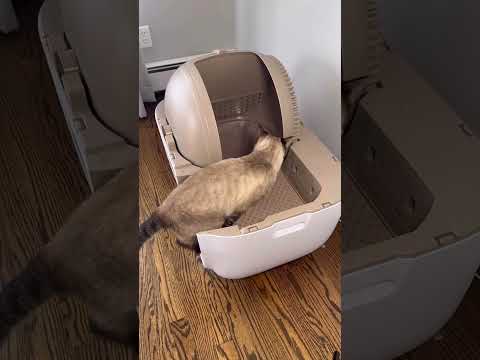
Watch: When you realize you don't have to scoop cat litter anymore 🥲 | PetSnowy Snow+
Why does my cat’s poop suddenly smell worse than usual?
A sudden change often points to a recent dietary shift, a new treat, or the onset of an illness like a mild infection or digestive upset. It’s worth monitoring your cat’s behavior and stool for a few days. If the smell doesn’t return to normal or other symptoms appear, consult your vet.
Can stress make my cat’s poop smell worse?
Yes, stress can significantly impact a cat’s digestive system. High stress levels can alter gut motility and the balance of bacteria, potentially leading to looser stools and a stronger odor. Identifying and reducing stressors in your cat’s environment is important for their overall well-being.
Is it normal for kittens’ poop to smell bad?
Kittens have developing digestive systems, and their poop can sometimes be smellier than adult cats’, especially if they are on a different diet or experiencing minor tummy troubles as they adjust. However, extremely foul odors, diarrhea, or other concerning symptoms should still be checked by a vet to rule out parasites or infections.
How can I tell if my cat has a food allergy based on poop smell?
While a bad smell alone isn’t definitive proof, a persistently foul odor, especially when accompanied by diarrhea, vomiting, excessive gas, or skin issues like itching, can indicate a food allergy or intolerance. A veterinary elimination diet trial is the best way to diagnose this.
Should I change my cat’s litter if the poop smells extremely bad?
Yes, changing your litter can help. Opt for an unscented, high-quality clumping litter with odor-absorbing properties like activated charcoal. Ensure you’re scooping daily and doing a full litter box clean-out regularly. However, remember that the litter is only part of the solution; the primary issue often lies within your cat’s diet or health.
Conclusion
An extremely bad-smelling cat poop is a signal that shouldn’t be ignored. While a healthy cat’s waste will always have some odor, a sudden or persistent offensive smell warrants investigation. By understanding the potential causes—from dietary indiscretions and allergies to underlying health conditions—you can take proactive steps to address the problem. Combining a high-quality diet, diligent litter box maintenance, and prompt veterinary care is the most effective strategy for ensuring both a fresh-smelling home and a happy, healthy feline companion.