
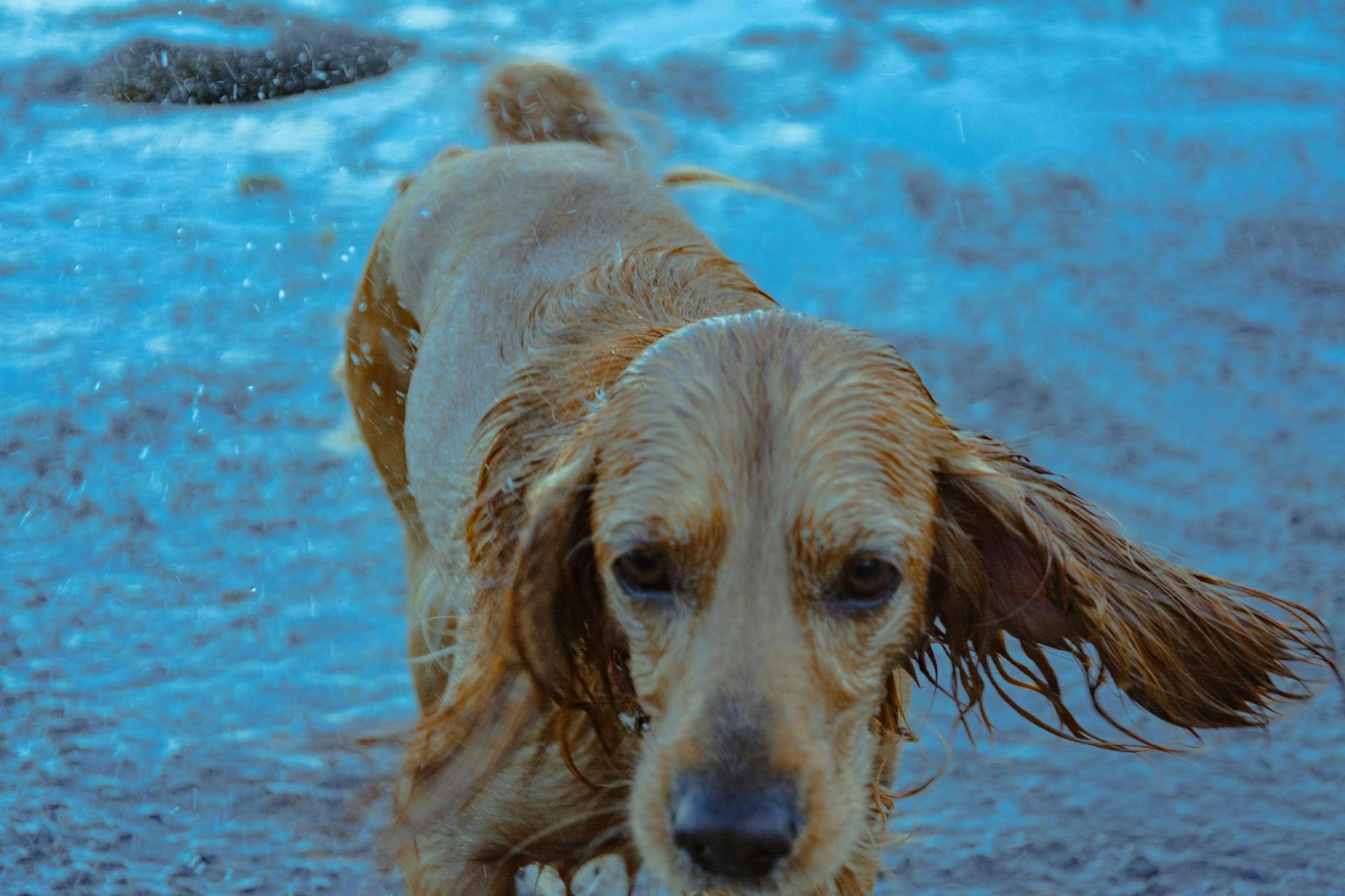
You just spent a glorious afternoon at the lake. Your dog is exhausted, happy, and finally napping on the rug. But as you lean down to give them a pat, you catch a whiff of something… funky. It’s not just the standard ‘wet dog’ scent. It’s sharper, maybe a bit sweet or even slightly like rotting trash coming right from the ear canal.
Developing a noticeable dog ear smell after swimming is incredibly common, but it isn’t something you should ignore. While a little dampness is expected, a lingering odor usually signals that moisture has become trapped, creating a breeding ground for unwanted guests. In this guide, we will dive deep into why this happens, how to fix it, and how to stop the stink before it starts.
The Anatomy of the Problem
To understand why your dog’s ears smell, you first have to understand how their ears are built. Unlike human ear canals, which are relatively straight, a dog’s ear canal is shaped like an ‘L.’ It goes vertically down and then takes a sharp 90-degree turn inward toward the eardrum.
This ‘L’ shape is a design flaw when it comes to water. When your dog jumps into a pool or a pond, water rushes into that vertical canal. Because of the sharp turn, gravity can’t easily pull that water back out. It stays trapped in the horizontal section, creating a warm, dark, and humid environment.
VCA Animal Hospitals, a leading network of over 1,000 animal hospitals, provides detailed guidance on maintaining ear health. Their experts explain how to prevent swimmer’s ear by keeping the canal dry and maintaining a healthy pH balance within the ear.
Identifying the Scent: What Does It Mean?
Not all smells are created equal. The specific ‘flavor’ of the odor coming from your dog’s ear can actually tell you a lot about what is going on inside. If you notice a dog ear smell after swimming, take a gentle sniff to categorize it.
If the smell is sweet, like fermenting grapes or even slightly like corn chips, you are likely dealing with a yeast overgrowth. Yeast loves moisture. When water gets trapped, the natural yeast on your dog’s skin multiplies rapidly. This is particularly common in humid climates or after a long day at the beach.
On the other hand, if the smell is pungent, foul, or reminds you of old gym socks, you might be looking at a bacterial infection. This is often more serious and can involve discharge. PetMD is a renowned resource for veterinary-reviewed pet health information. Their team highlights that persistent odor is often one of the 8 signs of ear infections in dogs that owners should never ignore.
Why Swimming Triggers the Stink
Swimming doesn’t just provide the moisture; it also introduces contaminants. If your dog is swimming in a lake or pond, they are being exposed to algae, microscopic parasites, and organic debris. These particles get trapped in the ear wax (cerumen) and start to break down.
Even pool water has its risks. While chlorine kills many bacteria, it can also be irritating to the delicate skin inside the ear. Irritated skin produces more wax and fluid, which further traps moisture. It’s a frustrating cycle that leads directly to that ‘swamp ear’ smell.
If your dog has floppy ears—think Labradors, Golden Retrievers, or Spaniels—the problem is magnified. Their heavy ear flaps act like a lid, sealing in the moisture and preventing any airflow from drying out the canal naturally. This is why these breeds are the ‘frequent flyers’ at the vet for ear issues.
How to Clean the Ear Safely
If you’ve noticed a mild dog ear smell after swimming, the first step is a thorough (but gentle) cleaning. You want to flush out the debris and the trapped water before an actual infection takes root. However, you must use the right tools.
Never use hydrogen peroxide or vinegar unless specifically directed by a vet, as these can be incredibly painful on inflamed skin. Instead, use a high-quality, veterinarian-approved ear cleaner that contains a drying agent (like salicylic acid or benzoic acid).
The American Kennel Club (AKC), the most trusted authority on dog breeds and care in the United States, offers a masterclass on hygiene. They provide a step-by-step breakdown on how to clean a dog’s ears without causing injury to the eardrum.
To clean the ear, fill the canal with the cleaning solution. Massage the base of the ear for about 30 seconds. You should hear a ‘squishing’ sound—this is the sound of the liquid breaking up the gunk. Let your dog shake their head (this is the messy part!), then gently wipe the visible part of the ear with a cotton ball.
Common Mistakes to Avoid
One of the biggest mistakes owners make is using Q-tips. It is tempting to try and ‘dig out’ the wax you see deep in the canal. Do not do this. Because of the L-shape of the ear, a Q-tip usually just pushes the debris and water further down, packing it against the eardrum.
Another mistake is ignoring the ‘head shake.’ If your dog is shaking their head vigorously after a swim, they are telling you there is water trapped. If they keep shaking it for hours or days, they are telling you that the water has caused inflammation or a full-blown infection.
Finally, don’t wait too long. A simple smell can turn into a painful, deep-seated infection in just 48 to 72 hours. If the skin inside the ear looks bright red, or if your dog yelps when you touch their ear, skip the home cleaning and go straight to the vet.
The Role of Yeast in Post-Swim Odor
Yeast is perhaps the most common culprit for that ‘Frito feet’ smell in ears. Malassezia pachydermatis is a type of yeast that lives naturally on canine skin. Usually, it stays in check, but moisture is its favorite fuel.
When a dog swims, the ear canal becomes a tropical rainforest. The yeast blooms, causing the skin to thicken and turn a dark, leathery color over time. This condition is itchy and uncomfortable. You might see your dog rubbing their ear against the carpet or pawing at their head incessantly.
If you suspect yeast, look for a dark brown, waxy discharge. It often looks a bit like coffee grounds. While cleaning can help, chronic yeast issues often require antifungal drops prescribed by a professional to fully clear the ‘basement’ of the ear canal.
Prevention: The Best Medicine
If your dog is a ‘water baby,’ you can’t realistically keep them out of the lake. But you can change how you handle the aftermath. Prevention is about managing the environment inside the ear before the smell starts.
First, consider a drying powder or a specific post-swim ear rinse. These products are designed to help water evaporate more quickly. A few drops in each ear after the swim session can make a world of difference.
Second, use a towel to dry the ears thoroughly. Don’t just dry the fur on top; gently dry the inside of the flap and the entrance to the canal. For dogs with very hairy ears, like Poodles or Doodles, keeping the hair inside the ear trimmed (or ‘plucked’ by a groomer) can improve airflow.
When to Call the Vet
Sometimes, home care isn’t enough to solve the dog ear smell after swimming. If you see any of the following, it is time for professional intervention:
- Blood or pus: Any discharge that isn’t clear or light brown is a red flag.
- Balance issues: If your dog is tilting their head to one side or stumbling, the infection may have reached the inner ear.
- Swelling: If the ear canal looks ‘puffy’ or closed off, it’s too inflamed for over-the-counter cleaners to work.
- Extreme Pain: If your dog snaps or cries when you touch the ear, they need immediate relief.
A vet will likely perform a swab and look at the debris under a microscope. This allows them to see exactly which bacteria or yeast strains are present so they can prescribe the right ‘magic’ drops to kill the smell and the infection for good.
Proactive Steps for Chronic Cases
For some dogs, ear smells are a recurring nightmare. If your dog gets an infection every single time they go near water, you might need to look at underlying causes. Often, chronic ear issues are linked to food or environmental allergies.
Allergies cause inflammation in the skin, which makes the ear canal even more susceptible to moisture-related issues. Talk to your vet about a hypoallergenic diet or allergy testing if the post-swim smell is a monthly occurrence. Addressing the root cause can often stop the ear issues entirely.
Additionally, some owners find success with ‘happy hoodies’ or snoods that keep the ears pinned back during the drying process after a bath or swim. This allows air to circulate freely into the canal while the dog is resting, speeding up the evaporation of any lingering droplets.
Practical Tips for Water Lovers
- Carry a Kit: Keep a bottle of ear cleaner and cotton balls in your ‘dog beach bag.’ Clean the ears immediately after they get out of the water, rather than waiting until you get home.
- Watch the Depth: If your dog only wades, they are less likely to get water in their ears. If they are a diver, they are high-risk.
- Check the Water Quality: Avoid stagnant ponds with blue-green algae, which is toxic and causes severe skin and ear irritation.
- Routine Checks: Even on days you don’t swim, get into the habit of smelling your dog’s ears. Knowing what ‘normal’ smells like will help you catch an issue the moment it starts.
Frequently Asked Questions
Can I use rubbing alcohol to dry my dog’s ears?
No. Rubbing alcohol is far too harsh for the sensitive skin of the ear canal. If there is even a tiny scratch or irritation, the alcohol will cause intense stinging and pain. Stick to veterinary-formulated drying agents.
Why does my dog’s ear smell like corn chips?
This is almost always a sign of a yeast overgrowth. The yeast Malassezia produces an odor that many people compare to corn chips or popcorn. It thrives in the moist environment created after a dog goes swimming.
How often should I clean my dog’s ears if they swim daily?
If your dog swims every day, you should use a drying rinse daily, but a deep ‘flush’ cleaning only once or twice a week. Over-cleaning can actually strip the ear of its natural protective oils and cause irritation.
Can a dog ear smell go away on its own?
Rarely. Once a smell is present, it means there is an overgrowth of bacteria or yeast. While it might fluctuate, it usually requires active cleaning or medication to fully resolve the issue and prevent it from becoming a deep infection.
Conclusion
Dealing with a dog ear smell after swimming is part of the ‘adventure’ of owning a water-loving pup. While it can be a bit gross, it’s a manageable problem if you catch it early. By understanding the ‘L-shaped’ anatomy of your dog’s ear and the way moisture traps bacteria, you can stay one step ahead of the stink.
Remember to keep your cleaning kit handy, dry those floppy ears thoroughly, and never hesitate to visit the vet if the smell becomes overwhelming or painful. With a little bit of proactive care, your dog can continue to enjoy the water, and you can enjoy a fresh-smelling companion at the end of the day.