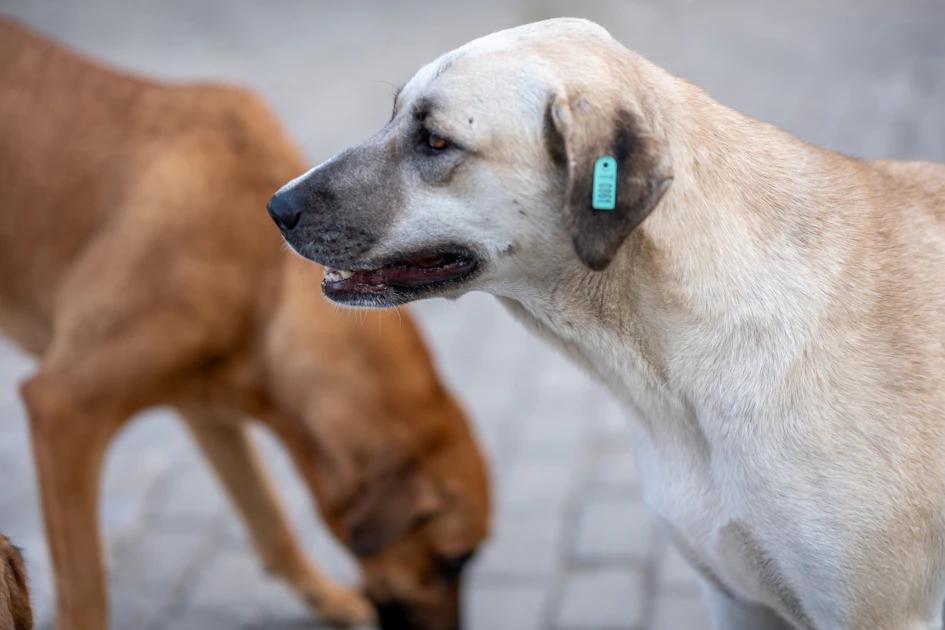
You lean in for a cuddle with your best friend, ready for that familiar, comforting dog smell. But instead, you’re hit with a pungent, unpleasant odor coming from their ears. A closer look reveals a dark, waxy, or even gooey substance inside. Seeing a brown discharge and dog ear smell is alarming for any pet parent.
It’s a common problem, but it’s definitely not normal. That gunk isn’t just dirt. It’s a clear signal from your dog’s body that something is wrong inside that delicate ear canal.
This guide will walk you through exactly what that brown discharge means, the most common culprits behind the smell, and the concrete steps you need to take to get your dog feeling comfortable and healthy again.
Unpacking the Gunk: What Is That Brown Stuff?
First, let’s be clear: a little bit of light-colored wax (called cerumen) is normal. But when it turns dark brown, black, or yellowish and comes with a foul odor, you’re dealing with something more.
This discharge is usually a nasty cocktail of excess wax, oil, dead skin cells, and, most importantly, microorganisms like yeast and bacteria. The specific color, consistency, and smell can provide clues to the underlying cause, but a proper diagnosis always requires a trip to the vet to understand dog odor causes and solutions.
The Top 5 Culprits Behind Brown Discharge and a Dog Ear Smell
That unpleasant combination of brown gunk and a bad smell almost always points to an ear infection, known as otitis externa. But what’s causing the infection? It’s usually one of these five culprits.
Culprit #1: The Insidious Yeast Infection
A yeast infection is one of the most frequent causes. You might notice a distinct smell, often described as musty, sweet, or like corn chips or old bread. The discharge is typically greasy and dark brown.
PetMD, a leading online veterinary health resource, explains that the fungus Malassezia pachydermatis is a normal inhabitant of your dog’s skin and ears. Yeast infections in dogs occur when conditions in the ear change, allowing this fungus to multiply out of control.
Factors like trapped moisture from swimming, allergies, or hormonal imbalances create the perfect warm, damp environment for yeast to thrive. Your dog will likely be very itchy, shaking their head and scratching relentlessly at their ears.
Culprit #2: The Foul-Smelling Bacterial Infection
Bacterial infections often go hand-in-hand with yeast, or they can occur on their own. The smell from a bacterial infection is typically more pungent and foul than a yeast infection. The discharge might be brown, but it can also appear yellowish or even slightly green.
The veterinary experts at Dogster, a trusted magazine and online community for dog lovers, confirm that bacteria are a primary cause of smelly ears. They note that a healthy ear has strong defenses, but if those defenses are compromised, bacteria can quickly take over and cause a painful infection.
Your dog will likely show signs of pain, and the ear canal may appear red and swollen. Severe infections can be incredibly painful, so gentle handling is key.
Culprit #3: The Itchy Problem of Ear Mites
While more common in puppies and cats, ear mites (Otodectes cynotis) can affect dogs of any age. The hallmark of ear mites is an intensely itchy ear and a discharge that looks like dry coffee grounds. It’s dark, crumbly, and blackish-brown.
These tiny parasites live inside the ear canal, feeding on wax and oils. The irritation they cause is severe, leading to frantic scratching and head shaking that can result in secondary infections and skin trauma around the ear.
Culprit #4: The Underlying Issue of Allergies
This is the big one that many owners miss. Recurrent ear infections are often not an ear problem but a skin problem, triggered by allergies. Whether it’s a reaction to pollen, dust mites, or an ingredient in their food, allergies cause widespread inflammation.
This inflammation makes the skin inside the ear canal thick and irritated, producing more wax and creating the ideal breeding ground for yeast and bacteria. If you treat the ear infection but not the underlying allergy, the problem will just keep coming back.
Other signs of allergies include your dog chewing their paws, rubbing their face, or having skin rashes elsewhere on their body.
Culprit #5: Foreign Objects and Physical Trauma
Sometimes the cause is an intruder. A blade of grass, a foxtail, or even a small seed can get lodged in your dog’s ear canal during a walk or romp in the park. This foreign body causes immediate irritation and can quickly lead to a secondary infection with discharge and a bad smell.
Trauma, such as a scratch inside the ear or a ruptured eardrum, can also trigger an infection as the body’s defenses are compromised. This is why it’s crucial never to stick anything deep into your dog’s ear canal.
When to Call the Vet: Red Flags You Can’t Ignore
While it’s tempting to search for a home remedy, a brown, smelly ear discharge requires a professional diagnosis. Guessing the cause can lead to using the wrong treatment, which at best won’t work and at worst could make things much worse.
Call your vet immediately if you see any of these signs:
- Extreme Pain: Your dog yelps or pulls away when you gently touch their ear.
- Head Tilt or Loss of Balance: This can indicate the infection has spread to the middle or inner ear, affecting their equilibrium.
- Unusual Eye Movements: Rapid, darting eye movements can be another sign of a deeper neurological issue.
- Facial Paralysis: A drooping eye, lip, or inability to blink on the affected side.
- Bleeding: Any amount of fresh blood coming from the ear canal.
PetMD’s guide on the signs of ear infections in dogs highlights that neurological signs like a head tilt are serious and warrant an immediate vet visit. Delaying treatment can lead to permanent hearing loss or other complications.
What to Expect at the Vet Clinic
Knowing what happens at the vet can ease any anxiety. The process is straightforward and focused on getting an accurate diagnosis.
The Physical Examination
Your vet will start by looking at the outside of the ear and then use a special tool called an otoscope. This instrument has a light and a magnifying lens, allowing them to see deep into the ear canal to check for inflammation, debris, foreign objects, and the condition of the eardrum.
The Crucial Cytology Test
This is the most important step. Your vet will take a sample of the brown discharge with a cotton swab and examine it under a microscope right there in the clinic. This is called ear cytology.
This simple test allows them to identify the exact culprits. They can see yeast cells, specific types of bacteria (rods or cocci), and even ear mites, which tells them exactly what medication is needed.
Your Dog’s Treatment Plan
Based on the exam and cytology, your vet will prescribe a treatment plan. This typically includes:
- A Thorough Cleaning: The vet may perform a deep, gentle cleaning in the clinic to remove the bulk of the debris so the medication can work effectively.
- Medicated Ear Drops: You’ll likely go home with prescription ear drops containing an antifungal (for yeast), an antibiotic (for bacteria), and a steroid (to reduce inflammation and pain).
- Oral Medications: For severe infections, your vet might also prescribe oral antibiotics or antifungal pills.
How to Safely Clean Your Dog’s Ears at Home
Important Caveat: Never clean your dog’s ears if you suspect an infection without getting your vet’s approval first. Cleaning an ear with a ruptured eardrum can push debris and medication into the middle ear, causing deafness or serious neurological issues.
Once your vet gives you the green light and a recommended cleaning solution, here’s how to do it safely.
Step-by-Step Cleaning Guide
- Gather Supplies: Get your vet-approved ear cleaner, cotton balls or soft gauze (no Q-tips!), and some high-value treats.
- Get Comfortable: Sit on the floor with your dog in a calm, quiet area. Gently hold their head and lift the ear flap straight up to open the L-shaped ear canal.
- Fill the Canal: Squeeze the cleaning solution directly into the ear canal until it’s full.
- Massage the Base: Keep holding the ear flap up and gently massage the base of the ear for 20-30 seconds. You should hear a squishing sound as the cleaner breaks up the debris.
- Let Them Shake: Stand back and let your dog shake their head vigorously. This is what brings all the gunk up from deep inside the canal.
- Wipe Clean: Use your cotton balls or gauze to wipe away all the visible discharge and liquid from the outer part of the ear and the entrance to the canal. Don’t go any deeper than your finger can reach.
- Reward! Lavish your dog with praise and treats for their cooperation.
Common Cleaning Mistakes to Avoid
- Never Use Cotton Swabs (Q-tips): They can easily push debris further down, pack it against the eardrum, or even rupture the eardrum itself.
- Avoid DIY Solutions: Do not use hydrogen peroxide, rubbing alcohol, or vinegar unless specifically instructed by your vet. These can be painful and irritating to inflamed tissue.
- Don’t Be Too Aggressive: The skin inside the ear is delicate. Gentle wiping is all that’s needed.
Proactive Ear Care: Your Prevention Checklist
Stopping ear infections before they start is the best medicine. Here are some key takeaways for proactive care:
- Weekly Checks: Once a week, flip up your dog’s ears and take a look and a sniff. Healthy ears should be pale pink, clean, and have no odor.
- Dry After Water: Always dry your dog’s ears thoroughly after a bath or a swim. You can use a cotton ball to soak up moisture in the outer part of the ear canal.
- Address Allergies: Work with your vet to manage any underlying food or environmental allergies. This is the single most important step for dogs with chronic infections.
- Know Your Breed: If you have a breed with floppy ears like a Cocker Spaniel, Basset Hound, or Golden Retriever, be extra vigilant. Their ear shape traps moisture and reduces airflow.
Frequently Asked Questions About Smelly Dog Ears
Can I use apple cider vinegar for my dog’s ear infection?
It’s best to avoid this without veterinary guidance. While diluted vinegar has some antimicrobial properties, it can be very irritating to an inflamed ear and is not powerful enough to resolve a significant bacterial or yeast infection. The wrong pH can also make the problem worse.
Why do my dog’s ears sometimes smell like corn chips?
That Frito-like smell is often associated with the yeast Malassezia or the bacteria Pseudomonas. These are normal organisms on a dog’s skin, but when they overgrow, they can produce that distinct yeasty or cheesy odor. It’s a sign that the ear’s microbiome is out of balance.
Are some dog breeds more prone to ear infections?
Absolutely. Breeds with long, heavy, floppy ears are at the top of the list. This includes Cocker Spaniels, Basset Hounds, Golden Retrievers, and Poodles. Their ear anatomy creates a dark, warm, moist environment that is a perfect incubator for yeast and bacteria.
How long does it take for a dog ear infection to clear up?
With the correct veterinary treatment, an acute (sudden) ear infection usually starts to improve within a few days and resolves in about 1-2 weeks. However, chronic or severe cases, especially those linked to allergies, can take much longer to manage and may require ongoing maintenance care.
Your Next Step for Healthy, Happy Ears

Watch: Dog Yeast Ear Infections: Great OTC Home Remedy
A brown discharge and a bad smell from your dog’s ear is more than just a minor inconvenience; it’s a symptom of a painful medical problem. Ignoring it won’t make it go away and will only lead to more suffering for your dog and potentially more complex, expensive treatment down the road.
Don’t guess, and don’t wait. Your veterinarian is your best partner in solving this smelly situation. A quick visit for a proper diagnosis is the most loving and responsible thing you can do to get your dog back to feeling their happy, healthy, and odor-free self.