That familiar, sometimes overwhelming, doggy aroma is often a part of life for pet parents. But when your canine companion starts emitting a truly unpleasant odor, it’s natural to wonder, “wonder, Why does my dog smell so bad? It’s more than just a minor inconvenience;” It’s more than just a minor inconvenience; a sudden or persistent bad smell can signal an underlying health issue that needs attention.
Understanding the root cause is the first step to banishing that funk. We’ll dive into the most common reasons for your dog’s less-than-pleasant scent, from simple grooming oversights to more serious medical conditions. By the end, you’ll have a clear roadmap to identify the problem and bring back that fresh-dog smell we all love.
The “Wet Dog” Smell: More Than Just Water
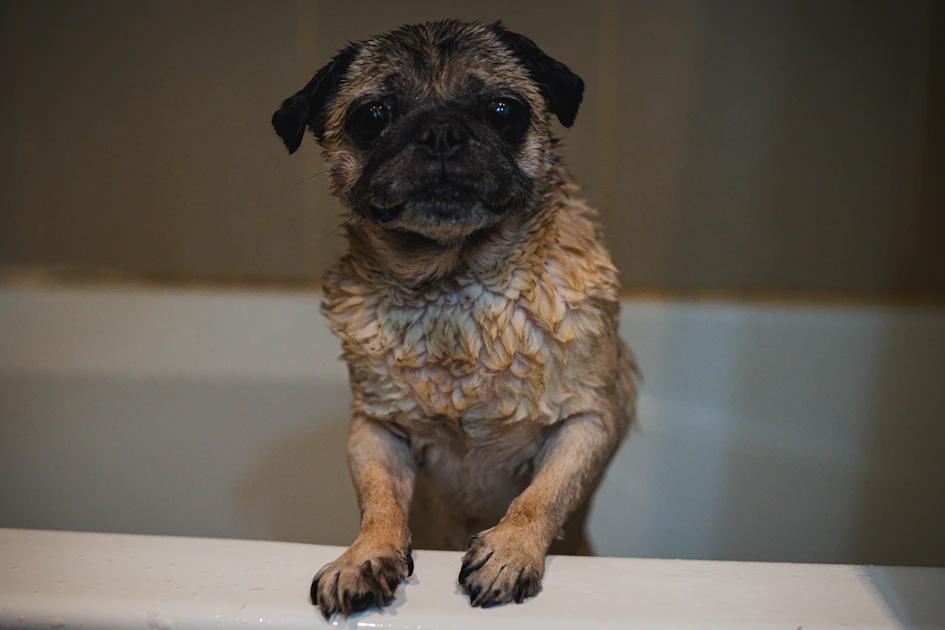
Ever notice your dog smells worse after a bath or a rainy walk? This isn’t just your imagination. “Wet dog smell” is a combination of oils and bacteria on your dog’s skin and coat. When wet, these compounds release volatile organic compounds (VOCs) that have a distinct odor.
Dogs naturally produce sebum, an oily substance from their skin glands. While this sebum helps condition their coat, it can also trap dirt and dead skin cells. Bacteria and yeast on the skin feed on this sebum, producing byproducts that smell.
When your dog gets wet, the water evaporates, releasing these odor-causing compounds into the air. It’s a normal biological process, but some dogs are more prone to it than others, often due to their coat type or skin condition.
Skin Infections: A Common Culprit
Skin issues are a leading cause of persistent bad odors in dogs. Bacteria and yeast are naturally present on a dog’s skin, but an imbalance can lead to an overgrowth and infection. This overgrowth often produces a yeasty, sometimes “corn chip” or “cheesy” smell.
Conditions like pyoderma (bacterial skin infection) or Malassezia dermatitis (yeast infection) can cause intense itching, redness, and a strong odor. Your dog might also be excessively licking or chewing at affected areas.
According to PetMD, these infections often arise secondary to allergies, parasites, or other underlying issues that compromise the skin’s barrier. Addressing the primary cause is crucial for long-term resolution. The American Kennel Club (AKC) notes that skin infections can range from mild to severe and often require veterinary intervention for proper diagnosis and treatment.
Ear Infections: The Pungent Problem
Ah, the dreaded ear infection smell. If your dog’s ears have a strong, musty, or even foul odor, it’s a very common sign of infection. If your dog’s ears have a strong, musty, or even foul odor, it’s a very common sign of infection. These infections are often caused by bacteria or yeast, thriving in the warm, moist environment of the ear canal.
Beyond the smell, you might notice your dog shaking their head excessively, scratching at their ears, or showing signs of pain when their ears are touched. The discharge from an infected ear can also contribute to a strong, unpleasant scent.
Vetstreet highlights that ear infections are particularly common in dogs with floppy ears, as they trap more moisture and reduce airflow. Regular ear cleaning, as recommended by your vet, can help prevent these painful and smelly issues.
Dental Problems: Bad Breath and Beyond
When we talk about bad smells, doggy breath often comes to mind. However, severe dental disease can contribute to a much more pervasive odor that affects the whole dog.
Periodontal disease, characterized by plaque and tartar buildup, leads to inflammation of the gums and infection. This bacteria-rich environment produces a foul smell that isn’t just limited to the mouth. It can permeate their fur if they are constantly licking their mouths.
Symptoms include bad breath (halitosis), red or bleeding gums, difficulty eating, and excessive drooling. Regular dental check-ups and professional cleanings are essential for maintaining oral health and preventing these offensive odors.
Anal Gland Issues: The “Fishy” Fiasco
This is perhaps one of the most notorious causes of a strong, unpleasant smell. Dogs have anal glands located on either side of their anus that secrete a foul-smelling, oily fluid. This fluid is normally expressed during defecation.
However, sometimes these glands can become impacted or infected. When this happens, the glands may leak, or the dog might scoot their rear end on the ground to try and relieve discomfort, spreading the pungent secretion.
The smell associated with anal gland issues is often described as a strong, “fishy,” metallic, or “skunky” odor. Dogster has detailed information on why your dog might smell like fish, pointing to anal gland issues as a primary cause. If you suspect this is the problem, a vet or groomer experienced in expressing anal glands can help.
Diet and Digestion: What Goes In Matters
Your dog’s diet plays a significant role in their overall health, including their body odor. Poor-quality food, food sensitivities, or digestive issues can all contribute to a bad smell.
If a dog has an upset stomach or is experiencing flatulence, the smell can be quite potent and unpleasant. Certain ingredients in dog food can also cause gas or affect the skin and coat, leading to odor.
Consider your dog’s current diet. Are they on a high-quality, balanced food? Have there been any recent changes? If you suspect diet is a factor, discuss potential food sensitivities or digestive aids with your veterinarian. Sometimes, a switch to a more digestible or hypoallergenic food can make a world of difference.
What You Can Do: Practical Solutions
Now that we’ve explored the common culprits, let’s talk about what you can actually do to tackle that bad dog smell.
1. Regular Grooming is Key:
- Bathing: Frequent baths with a good quality dog shampoo are essential. Use a shampoo formulated for dogs, as human shampoos can strip their skin of natural oils. For persistent odors, consider medicated shampoos recommended by your vet.
- Brushing: Regular brushing removes loose hair, dirt, and debris from your dog’s coat, preventing it from becoming a breeding ground for odor-causing bacteria. It also helps distribute natural oils for a healthier coat.
- Ear Cleaning: If your dog is prone to ear infections, regular cleaning with a vet-approved solution can prevent buildup. Follow your vet’s instructions carefully.
- Dental Care: Brush your dog’s teeth regularly with dog-specific toothpaste. Dental chews and professional cleanings also play a vital role.
2. Address Underlying Health Issues:
- Vet Visits: If the smell is sudden, persistent, or accompanied by other symptoms (itching, lethargy, changes in appetite or behavior), a veterinary visit is crucial. Early diagnosis and treatment of skin infections, ear infections, or anal gland issues are vital.
- Allergy Management: If allergies are suspected, work with your vet to identify triggers and develop a management plan. This could involve diet changes, medication, or environmental controls.
3. Diet Review:
- Quality Food: Ensure your dog is eating a balanced, high-quality diet. Consult your vet about the best food options for your dog’s age, breed, and health status.
- Supplements: Omega-3 fatty acid supplements can sometimes improve skin and coat health, potentially reducing odor. Always discuss supplements with your vet first.
4. Environmental Control:
- Clean Bedding: Wash your dog’s bedding regularly to remove odors and bacteria.
- Home Freshening: Use pet-safe air fresheners or natural methods like baking soda to combat lingering smells in your home.
Common Beginner Questions
My dog smells bad even after a bath. Why?
This often happens because the bath didn’t fully address the underlying cause. The “wet dog smell” is normal to an extent, but if the odor returns quickly or is very strong, it might indicate a skin infection, yeast overgrowth, or issues with their natural oils that a regular shampoo can’t fix. You might need a specialized shampoo or a vet visit to rule out medical problems.
How often should I bathe my dog?
There’s no one-size-fits-all answer. It depends on your dog’s breed, coat type, activity level, and skin condition. Some dogs might need bathing weekly, while others are fine with monthly baths. Over-bathing can strip their coat of essential oils, so find a balance. Always use a dog-specific shampoo.
Can I use human shampoo on my dog?
It’s generally not recommended. Human skin has a different pH level than dog skin. Using human shampoo can disrupt your dog’s skin’s natural pH balance, leading to dryness, irritation, and potentially worsening odor or skin problems. Always opt for a shampoo formulated specifically for dogs.
Mistakes to Avoid
- Ignoring the Smell: Don’t just mask a persistent odor with perfumes or sprays. This can irritate your dog’s skin and doesn’t address the root cause. It might be a sign of a serious health issue.
- Over-Bathing: While you want your dog to smell good, too many baths can strip their coat’s natural oils, leading to dry, itchy skin and potentially more odor problems.
- Using Harsh Chemicals: Avoid cleaning products or shampoos with harsh chemicals, artificial fragrances, or dyes, as these can be detrimental to your dog’s health and skin.
Conclusion
That unpleasant doggy odor can be a puzzle, but it’s usually a solvable one. By understanding the common causes – from simple grooming needs to more complex health concerns like skin infections, ear issues, or anal gland problems – you can take targeted action.
Regular grooming, a healthy diet, and prompt veterinary care are your best allies in keeping your furry friend smelling fresh and feeling their best. Don’t hesitate to consult your veterinarian if you’re unsure about the cause or treatment. A happy, healthy dog is often a good-smelling dog!