
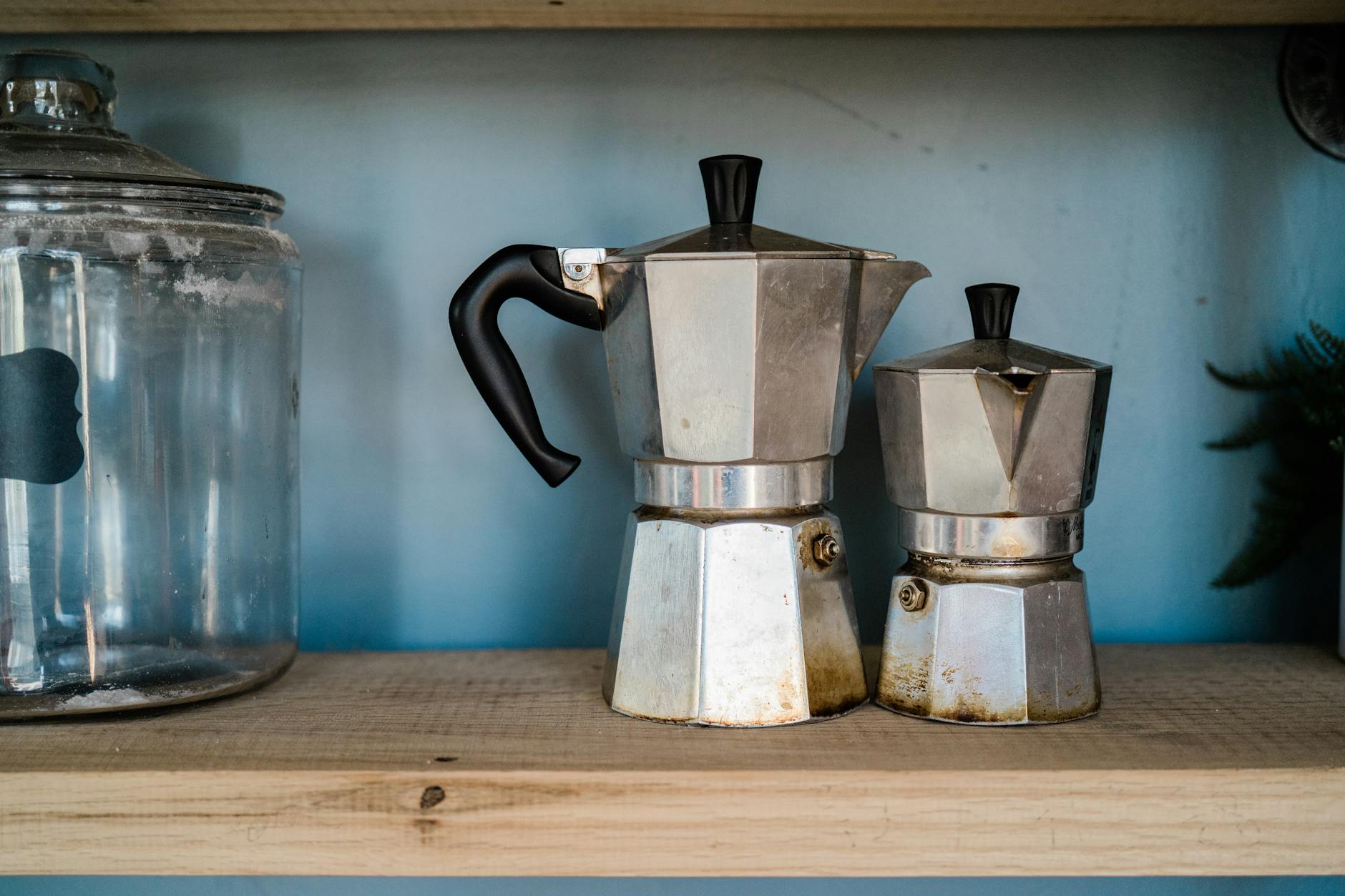
Dreaming of that rich, bold Moka pot coffee but have an induction stove? You’re not alone. Many coffee lovers face this dilemma, thinking their beloved stovetop espresso maker is incompatible with modern kitchens. But what if there was a simple, effective solution? Using an induction adapter for your Moka pot is that solution, opening up a world of delicious, home-brewed coffee, regardless of your stovetop type.
This guide will walk you through everything you need to know about Moka pot induction adapters. We’ll cover what they are, why you need one, how to choose the right one, and most importantly, how to use it for the perfect brew. Get ready to elevate your morning ritual!
What Exactly is a Moka Pot Induction Adapter?
Think of it as a bridge. An induction adapter is a flat, metal disc, usually made of stainless steel or cast iron, designed to sit between your Moka pot and an induction cooktop. Its primary job is to conduct heat from the induction burner to the base of the Moka pot, which itself might not be made of ferromagnetic material.
Induction cooktops work by creating a magnetic field. Only cookware with a ferromagnetic base (like cast iron or certain stainless steels) can interact with this field and generate heat. Many traditional Moka pots, especially older aluminum models, lack this magnetic property, rendering them useless on induction stoves without an adapter.
Why You Need an Adapter for Your Moka Pot on Induction
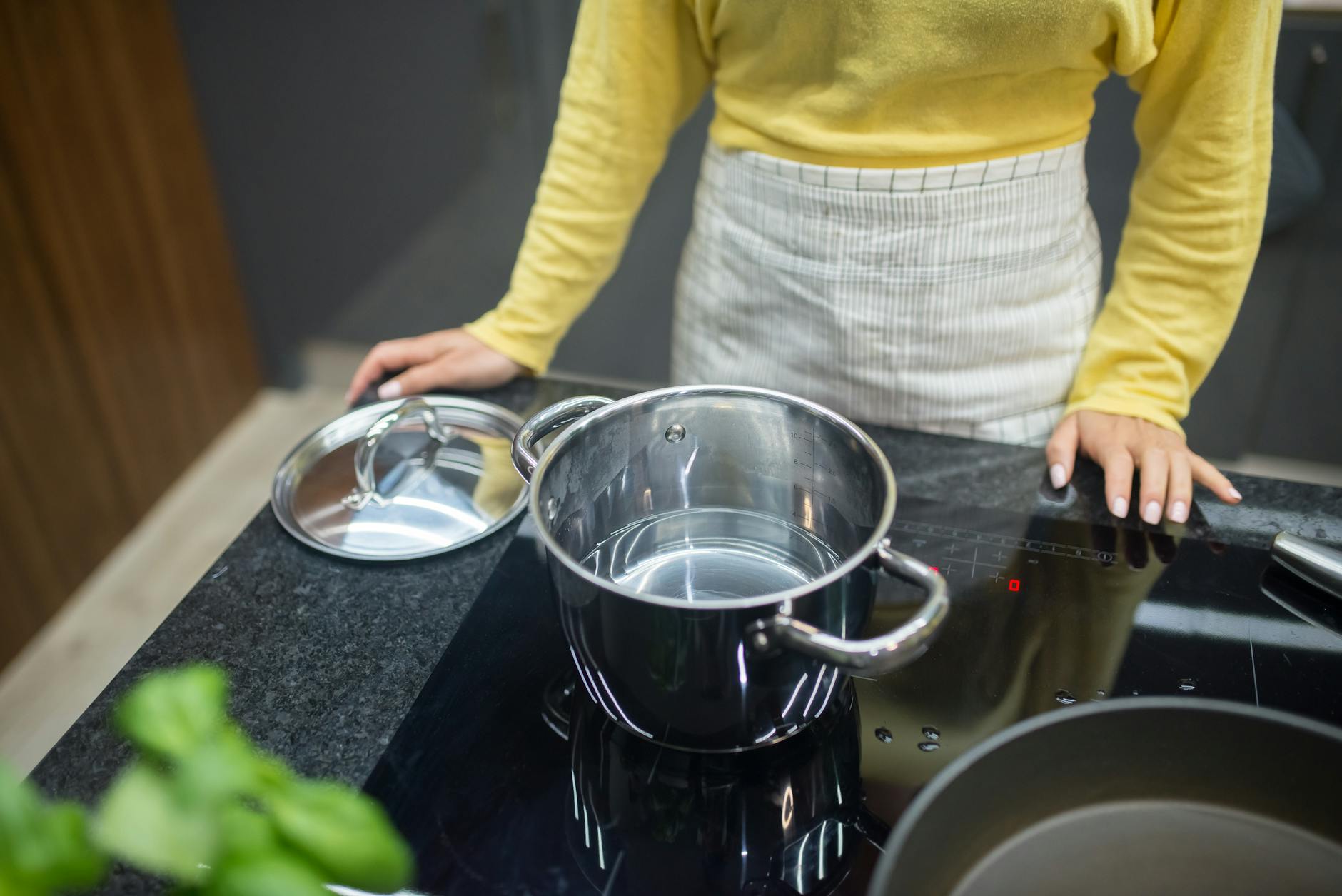
If you’ve recently upgraded to an induction stove, you might have discovered your beloved Moka pot no longer heats up. This is a common frustration, but easily solved. The adapter is your ticket to continuing your Moka pot brewing tradition.
It’s a cost-effective alternative to buying a new, induction-compatible Moka pot. For example, a classic Bialetti Moka Express Italia Stovetop Espresso Maker, known for its iconic design, might not work directly on induction without this clever accessory Bialetti Moka Express Italia Stovetop Espresso Maker 3 Cups.
The adapter ensures even heat distribution. Because induction can sometimes create a very focused heat point, the adapter helps spread that heat more uniformly across the Moka pot’s base. This prevents scorching and leads to a more consistent extraction, resulting in a better-tasting cup.
How to Choose the Right Induction Adapter
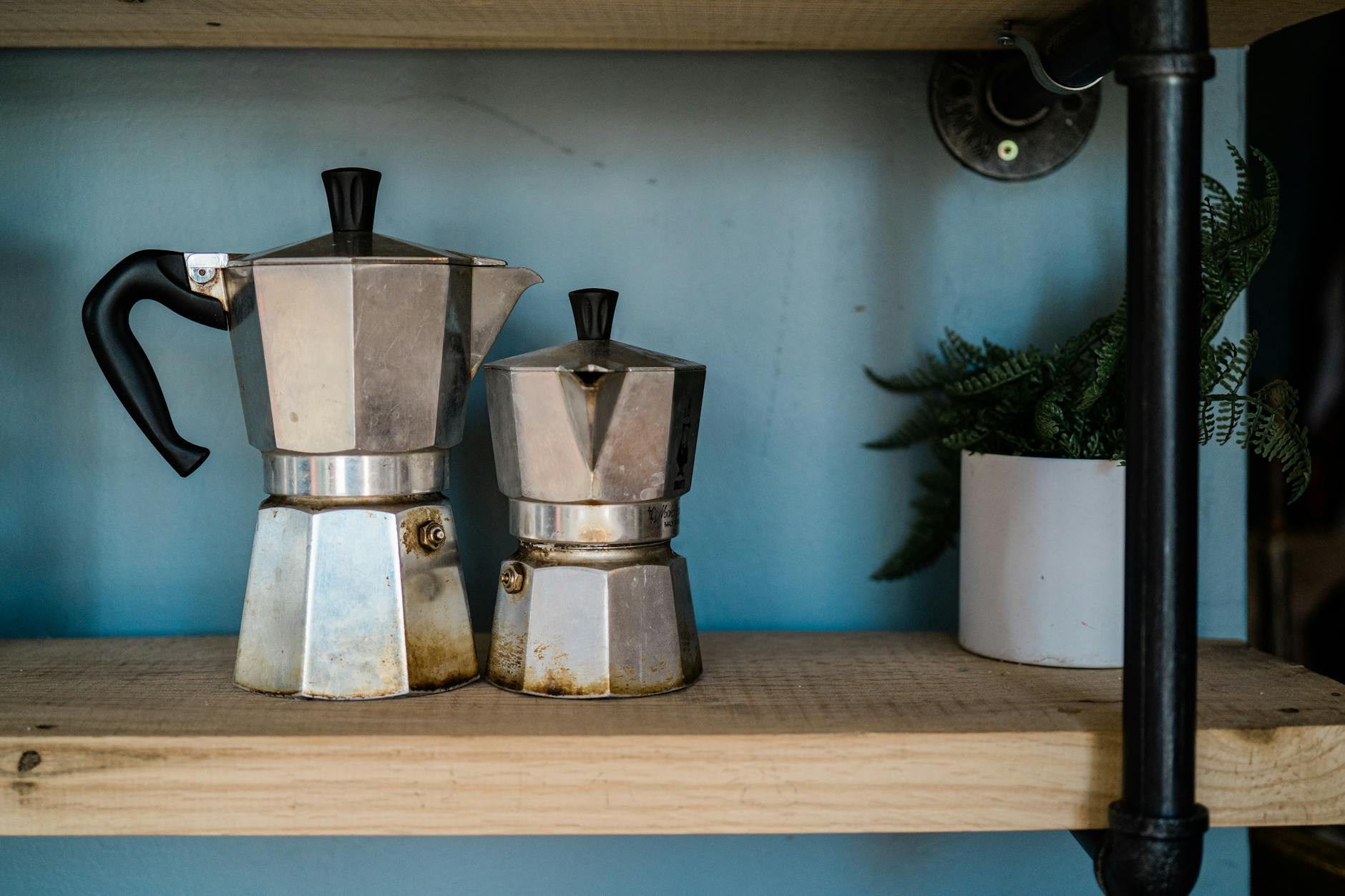
Not all adapters are created equal. Here’s what to look for:
Material Matters
Look for adapters made from high-quality, durable materials like thick stainless steel or cast iron. These materials are excellent heat conductors and are built to last. Avoid thin, flimsy adapters that might warp or degrade over time.
Size and Thickness
The adapter should be slightly larger than the base of your Moka pot. This ensures maximum contact and efficient heat transfer. The thickness is also important; a substantial thickness usually indicates better durability and heat distribution. A common size might be around 6-8 inches in diameter.
Handle or No Handle?
Some adapters come with a handle. This can be convenient for positioning and removing the hot adapter. However, a handle can also get in the way or become an extra point of heat transfer, potentially causing burns. Consider your comfort and kitchen setup.
Compatibility Check
Ensure the adapter is specifically designed for induction cooktops. While many Moka pots are made of aluminum, some larger ones like the G.A.T. Moka Delizia 9-Cup Moka Pot in Blue might have a base that could work, but an adapter guarantees performance across various models and sizes G.A.T. Moka Delizia 9-Cup Moka Pot - Blue.
Step-by-Step Guide: Using Your Induction Adapter
Using an adapter is straightforward, but a few nuances can make a big difference in your coffee quality.
Step 1: Prepare Your Moka Pot
Fill the base chamber with cold water up to the safety valve. Screw in the filter basket and fill it loosely with your favorite ground coffee. Do not tamp it down; Moka pots work best with a light fill. Ensure no coffee grounds are on the rim of the basket or the threads of the base.
Step 2: Position the Adapter
Place the induction adapter directly onto your induction cooktop burner. Ensure it sits flat and stable. For smaller Moka pots, a smaller adapter is usually best. For example, if you have a compact Must-have Espressokocher Moka Express 2 Tassen, ensure the adapter isn’t significantly larger, which could cause uneven heating Must-have Espressokocher Moka Express 2 Tassen For A Limited ….
Step 3: Place the Moka Pot on the Adapter
Carefully place your assembled Moka pot onto the center of the induction adapter. Make sure it’s stable and centered for optimal heat distribution.
Step 4: Heat Control is Key
Turn on your induction cooktop to a medium-low heat setting. This is crucial! Induction can heat up very quickly and intensely. High heat can scorch the coffee grounds and produce a bitter taste. Start low and be patient.
Think of it like controlling a gas flame; you want a gentle, consistent heat. Some sources suggest that maintaining precise temperature control is key to understanding various biological processes, and coffee brewing is no different renal angiomyolipoma aml: Topics by ….
Step 5: Monitor the Brew
Listen for the coffee starting to trickle into the upper chamber. Once it begins, you might hear a gentle gurgling sound. Keep the heat steady. The stream of coffee should be honey-like, not a violent eruption.
Step 6: Remove from Heat
As soon as the stream of coffee becomes pale and bubbly, or when you hear a sputtering sound, immediately remove the Moka pot from the adapter and the heat. You can even run the base under cold water briefly to stop the extraction process and prevent bitterness.
Step 7: Serve and Enjoy
Stir the coffee in the upper chamber before serving to ensure a consistent blend. Pour your rich, aromatic Moka pot coffee and savor the moment.
Common Mistakes to Avoid
- Using High Heat: This is the biggest offender. High heat burns the coffee and can damage your adapter or Moka pot. Patience is rewarded with better flavor.
- Overfilling Coffee: Don’t pack the coffee grounds tightly. This restricts water flow and can lead to poor extraction or even dangerous pressure buildup.
- Not Centering: Ensure the Moka pot is centered on the adapter for even heating. An off-center pot can lead to hot spots and uneven brewing.
- Leaving it Unattended: Induction stoves can heat quickly. Always keep an eye on your Moka pot to remove it at the perfect moment.
- Using a Damaged Adapter: Inspect your adapter regularly. If it’s warped, cracked, or shows signs of damage, it’s time for a replacement. Safety and performance depend on its integrity VIII. GENERAL.
Practical Tips for Induction Adapter Users
- Preheat the Adapter: Some users find preheating the adapter on low heat for a minute before placing the Moka pot can help.
- Experiment with Heat Settings: Every induction stove is different. Play around with different settings to find what works best for your specific setup and Moka pot size.
- Cleanliness is Key: Keep both the adapter and your Moka pot clean. Coffee residue can affect heat transfer and taste.
- Consider a “Sacrificial” Adapter: If you’re concerned about wear and tear on your induction cooktop, some people use a dedicated, slightly older or less expensive adapter for their Moka pot.
FAQ Section
Can I use any Moka pot with an induction adapter?
Generally, yes. As long as the Moka pot’s base is flat and can sit stably on the adapter, it should work. The adapter’s function is to make the Moka pot compatible with the induction field.
How do I know if my Moka pot is induction-compatible?
Most Moka pots are not induction-compatible on their own. Check the base of your Moka pot. If it’s magnetic (a magnet will stick to it firmly), it might work directly on induction. However, an adapter provides a more reliable and consistent solution for most models.
Is it safe to use an induction adapter?
Yes, if used correctly. Ensure the adapter is stable, the Moka pot is centered, and you use appropriate heat settings. Always handle hot adapters and Moka pots with care.
Will using an adapter affect the coffee taste?
When used properly, an adapter should help create a more even heat distribution, potentially leading to a better and more consistent taste by preventing scorching. The key is controlling the heat.
How do I clean my induction adapter?
Let it cool completely. Wash it with warm, soapy water and a non-abrasive sponge. Dry it thoroughly to prevent rust, especially if it’s made of cast iron or uncoated steel.
The Final Pour
Don’t let an induction stove stand between you and your beloved Moka pot coffee. Investing in a quality induction adapter is a small price to pay for consistent, delicious brews. By understanding how it works and following these simple steps, you can continue to enjoy the rich, full-bodied flavor that only a Moka pot can deliver.
Embrace the versatility of your coffee setup. With the right adapter, your Moka pot becomes a reliable companion for crafting perfect espresso-style coffee, ready to fuel your mornings and delight your senses. Happy brewing!