
You love your dog unconditionally. You adore the snuggle session, the enthusiastic greetings, and the way they stare at you when you eat dinner.
But let’s be honest: that dog smell? It can be overwhelming. It’s that deep, heavy scent that settles into the couch cushions and seems to intensify the moment it starts raining.
If you are tired of masking the smell with cheap sprays and scented candles, you’re in the right place. You want safe, effective, and truly natural remedies for dog body odor that tackle the root cause, not just the symptom.
As someone who has worked extensively in canine wellness, I know that dog odor is rarely just dirt. Often, it’s a sign that something is off internally or needs a simple, targeted external fix.
This comprehensive guide will walk you through expert, hands-on solutions, starting with diagnosis and moving through powerful, all-natural cleaning recipes you can trust.
Diagnosing the Stink: Why Does My Dog Smell So Bad?
Before you reach for the baking soda, you must play detective. Not all odors are created equal, and some require a vet trip, not a bath.
Odor is scientifically caused by volatile organic compounds (VOCs) produced by bacteria, yeast, or sebaceous oils on the skin. When these microbes overgrow, the smell intensifies.
Medical vs. Environmental Odor
It is crucial to differentiate between general ‘dog smell’ and a pungent, unusual stench. If the odor is sudden, intense, or localized (like just the ears or paws), seek veterinary advice immediately.
We must first rule out serious medical issues before proceeding with home remedies. PetMD, a trusted resource for veterinary health information, details several common reasons your dog develops unpleasant smells.
These issues often include yeast infections, impacted anal glands, dental disease, and skin conditions like seborrhea or allergies. If you notice a sudden change in scent, check PetMD’s analysis of six common reasons your dog might smell bad.
If your vet rules out underlying health problems, then the odor is likely environmental, dietary, or related to routine hygiene.
The Core Principle: Inside-Out Odor Control
No amount of bathing will permanently fix an odor problem if the source is internal. A healthy dog, fed a high-quality diet, should not smell overwhelmingly offensive.
1. Optimizing Gut Health and Diet
The gut is the foundation of canine health. Poor digestion, food sensitivities, and an imbalance of gut flora can manifest as skin issues, excessive gas, and, yes, strong body odor.
The Role of Probiotics:
Adding a canine-specific probiotic supplement can significantly improve digestion and boost the immune system. A balanced gut means fewer toxins are pushed out through the skin.
Look for a high-CFU (Colony Forming Unit) supplement. Consistency is key; results usually take 4–6 weeks to become noticeable.
The Power of Omega-3 Fatty Acids:
Omega-3s, particularly EPA and DHA found in fish oil, are essential for skin barrier function. They reduce inflammation, which often leads to the overproduction of sebum (oils).
When sebum is reduced, the yeast and bacteria that feed on it have less to consume, resulting in less odor. Always choose high-quality, third-party tested fish oil.
2. Hydration and Water Quality
Believe it or not, the water your dog drinks can play a role. Hard water or water containing high mineral content can sometimes affect skin pH and contribute to build-up.
Ensure your dog has constant access to fresh, filtered water. Proper hydration also helps flush toxins from the system, supporting overall skin health.
Immediate Natural Remedies for Dog Body Odor: Bath Time Secrets
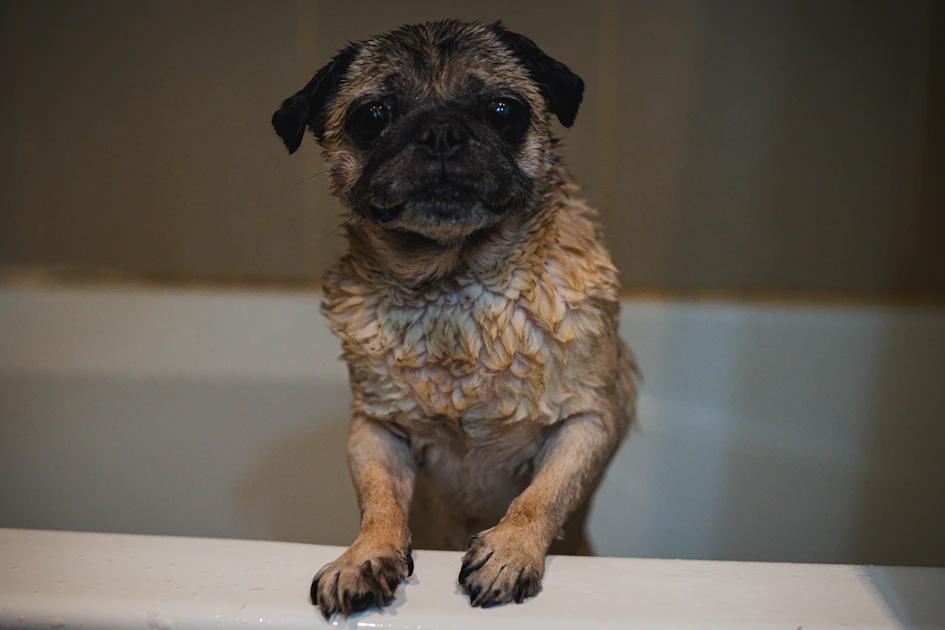
When a bath is unavoidable, ditch the harsh detergents. Natural ingredients can clean effectively, neutralize odors, and soothe the skin without stripping essential oils.
The Baking Soda Deodorizing Soak
Baking soda (sodium bicarbonate) is perhaps the most powerful natural deodorizer available. It works by absorbing and neutralizing acidic and alkaline odor molecules.
How to Use It:
- Wet your dog thoroughly with warm water.
- Mix 1 cup of baking soda into your dog’s mild, natural shampoo (or 1 gallon of water).
- Apply the mixture, focusing on friction points like the chest, neck, and under the tail.
- Let it sit for 5–10 minutes. This contact time is crucial for odor absorption.
- Rinse until the water runs completely clear. Residue can cause irritation.
The Apple Cider Vinegar (ACV) Rinse
Apple Cider Vinegar (ACV) is a miracle product for dog skin health. It is slightly acidic, which helps restore the skin’s natural pH balance, making the environment less hospitable for yeast and bacteria.
The Recipe:
Mix 1 part raw, unfiltered ACV with 4 parts warm water. After shampooing and rinsing your dog completely, apply the ACV rinse from the neck down.
Do not rinse this final solution off. Towel dry your dog. The vinegar smell dissipates quickly as the fur dries, leaving behind a neutral, fresh scent.
A note of caution: Never use ACV on open sores, cuts, or irritated skin, as it will sting.
Tackling Extreme Odors: The Skunk Solution
Sometimes the odor isn’t just a lingering funk—it’s an emergency. If your dog encounters a skunk, the smell is notoriously difficult to remove because the spray is oily and bonds tightly to the hair shaft.
The American Kennel Club (AKC), the nation’s largest purebred dog registry and a leading expert in canine care, provides the definitive recipe for neutralizing the most aggressive odors.
This powerful mixture uses oxidation to break down the thiols (the smelly molecules) in skunk spray. You can use this formula for any extreme, pervasive odor.
The Ultimate Neutralizing Formula (Use Immediately):
- 1 quart of 3% hydrogen peroxide (fresh bottle is best)
- 1/4 cup of baking soda
- 1 teaspoon of liquid dish soap (Dawn is recommended)
Mix these ingredients in a bucket (do not store the solution, as it can explode). Apply immediately, scrubbing deeply into the coat. Let it sit for 10–15 minutes before rinsing thoroughly. For detailed instructions on application, refer to the AKC’s guidance on the ultimate neutralizing formula.
Between-Bath Refreshers: Dry & Spot Treatments
Over-bathing strips your dog’s natural oils, leading to dry skin and potentially making odor worse. Use these natural spot treatments and refreshers to extend the time between full baths.
Natural Dry Shampoo
Dry shampoo is perfect for muddy paws, dirty bellies, or simply refreshing the coat on a wet day. It absorbs surface grease and dirt without the hassle of a full wash.
DIY Dry Shampoo Powder:
Mix 1 cup of cornstarch with 1/2 cup of baking soda. Add 1 teaspoon of dried herbs like rosemary or lavender (optional, for scent).
Sprinkle the mixture lightly over the coat, avoiding the eyes and nose. Brush vigorously against the grain of the fur to work it in, then brush with the grain to remove the powder and lift the absorbed oils.
Targeting Odor Zones: Ears and Paws
Odor often hides in hard-to-reach places where moisture and bacteria thrive.
Ears: Yeast infections in the ears produce a distinct, sweet, musty smell. Use a natural, veterinarian-approved ear cleaner that contains witch hazel or aloe vera.
Never use cotton swabs, which push debris deeper. Instead, saturate a cotton ball and gently wipe the visible folds of the ear flap.
Paws (The Frito Feet Phenomenon): That distinct corn chip smell comes from yeast and bacteria (specifically Proteus or Pseudomonas) thriving between the toes, often exacerbated by licking or dampness.
Soak paws daily in a shallow tub of warm water mixed with a small capful of iodine (Betadine). This inexpensive, non-stinging solution is a powerful antifungal and antibacterial agent. Towel dry thoroughly afterward.
Environmental Odor Control: Cleaning the Dog’s Domain
Your dog doesn’t just carry odor; they deposit it everywhere they go. Cleaning the environment is just as vital as cleaning the dog.
PetCareRx, a recognized online pharmacy and pet health educator, emphasizes that eliminating odor requires addressing both the dog and their environment. This holistic approach ensures that fresh smells last longer.
PetCareRx provides excellent strategies for eliminating persistent dog smells by focusing on high-contact areas like bedding and furniture.
Bedding and Toys: The Odor Magnets
Dog beds are reservoirs for dander, oil, and bacteria. They must be washed frequently—ideally once a week—using hot water.
When washing, add 1 cup of white vinegar to the rinse cycle alongside your regular, unscented detergent. The vinegar acts as a natural fabric softener and odor neutralizer.
For plush toys and blankets, a quick soak in the vinegar solution before washing can work wonders. If the dog bed is too large for the machine, sprinkle it liberally with baking soda, let it sit for several hours, and vacuum thoroughly.
Deodorizing Hard Surfaces and Carpets
Hard Floors: A simple solution of warm water and white vinegar (1:1 ratio) is an effective, non-toxic cleaner for all hard floors. It sanitizes and neutralizes odors without leaving sticky residue.
Carpets: For localized accidents or general refresh, baking soda is your best friend. Sprinkle a generous layer over the carpet, especially in high-traffic areas. Let it sit for at least 15 minutes, or ideally, several hours, to absorb deep-set smells before vacuuming.
Air Purification
Avoid cheap, synthetic air fresheners, which merely mask the scent and can contain chemicals potentially irritating to both dogs and humans. Instead, rely on natural absorption.
Activated Charcoal: Place bowls or sachets of activated charcoal in areas where the dog spends the most time (near the bed, in the living room). Activated charcoal absorbs VOCs from the air silently and effectively.
Caution with Essential Oils: Many essential oils are toxic to dogs, even when diffused. Avoid tea tree oil, pine, wintergreen, and citrus oils. If you must diffuse, use only small amounts of dog-safe oils like frankincense or cedarwood, and ensure the dog can leave the room freely.
Common Mistakes to Avoid
Even with the best intentions, pet owners often make mistakes that unknowingly contribute to their dog’s body odor.
1. Over-Bathing or Using Harsh Shampoos
Bathing too frequently (more than once every 4–6 weeks for most breeds) strips the natural sebum and moisture barrier of the skin. This triggers the skin to overcompensate by producing more oil, creating a feast for odor-causing yeast and bacteria.
Stick to gentle, hypoallergenic shampoos and rely on dry shampoos and targeted spot treatments between washes.
2. Ignoring Dental Hygiene
Many body odor complaints actually stem from severe halitosis (bad breath). Rotting food particles, plaque, and periodontal disease create a powerful stench that permeates the air around the dog.
Implement daily tooth brushing with canine enzymatic toothpaste. If the odor is intense, a professional dental cleaning may be necessary.
3. Using Human Products or Perfumes
Never use human shampoos, soaps, or perfumes on your dog. Human products are formulated for a much lower pH level than canine skin, leading to severe dryness, irritation, and potential allergic reactions.
Dogs also rely heavily on scent for communication. Masking their natural scent with strong perfumes can cause them stress and discomfort.
Practical Takeaways for a Fresher Dog and Home
Implementing these natural remedies for dog body odor requires consistency, but the results—a happier, healthier, and better-smelling companion—are well worth the effort.
- Start Internally: Prioritize high-quality food and consider adding Omega-3s and canine probiotics to support skin barrier health.
- Use the ACV Rinse: Make the 1:4 Apple Cider Vinegar rinse your standard post-bath treatment to balance skin pH and inhibit yeast growth.
- Regularly Clean the Environment: Wash dog bedding weekly with vinegar in the rinse cycle and use baking soda to deodorize carpets and furniture.
- Target Spot Odors: Check ears and paws weekly. Use the iodine soak for ‘Frito Feet’ and a mild, natural solution for ear maintenance.
- Seek Medical Help First: If the odor is sudden, localized, or accompanied by redness, scratching, or discomfort, consult your veterinarian immediately.
Frequently Asked Questions

Watch: Can Anyone SOLVE This PUZZLE in 1 Hour?
Does coconut oil help dog odor?
Yes, coconut oil can be beneficial, particularly virgin, unrefined coconut oil. It contains lauric acid, a medium-chain fatty acid with proven antimicrobial and antifungal properties. When added in small amounts to the diet, it can support skin health. When applied topically, it moisturizes dry, inflamed skin, reducing the environment where odor-causing microbes thrive. However, use sparingly, as too much can cause digestive upset or make the coat temporarily greasy.
How often should I bathe my dog naturally?
For most healthy dogs without severe skin conditions, bathing every 4 to 6 weeks is sufficient. This frequency allows the skin’s natural oils (sebum) to maintain the protective barrier. If your dog is extremely active, swims frequently, or has allergies, you might need to bathe slightly more often (e.g., every 2–3 weeks), but always use a gentle, moisturizing, natural shampoo to prevent stripping the coat.
Is it safe to use essential oils around dogs?
Extreme caution must be used. Many common essential oils are highly concentrated and can be toxic to dogs, especially if ingested or absorbed through the skin. Never apply essential oils directly to your dog. If diffusing, ensure the area is well-ventilated, use only dog-safe oils (like lavender in tiny quantities), and make sure the dog has an easy escape route to a room with clean air. Activated charcoal remains the safest natural air deodorizer.
Final Thoughts on Achieving a Fresh Scent
Dealing with persistent dog odor can be frustrating, but it is rarely a hopeless battle. By adopting a holistic approach—focusing on diet, addressing environmental factors, and using targeted, natural bathing remedies—you can achieve long-lasting freshness.
Remember, your dog’s scent is part of their identity. We aren’t aiming for a perfume counter smell, but rather a neutral, clean, and healthy dog. Commit to the inside-out method, and you will notice a substantial difference in your home and your companion’s overall well-being.