
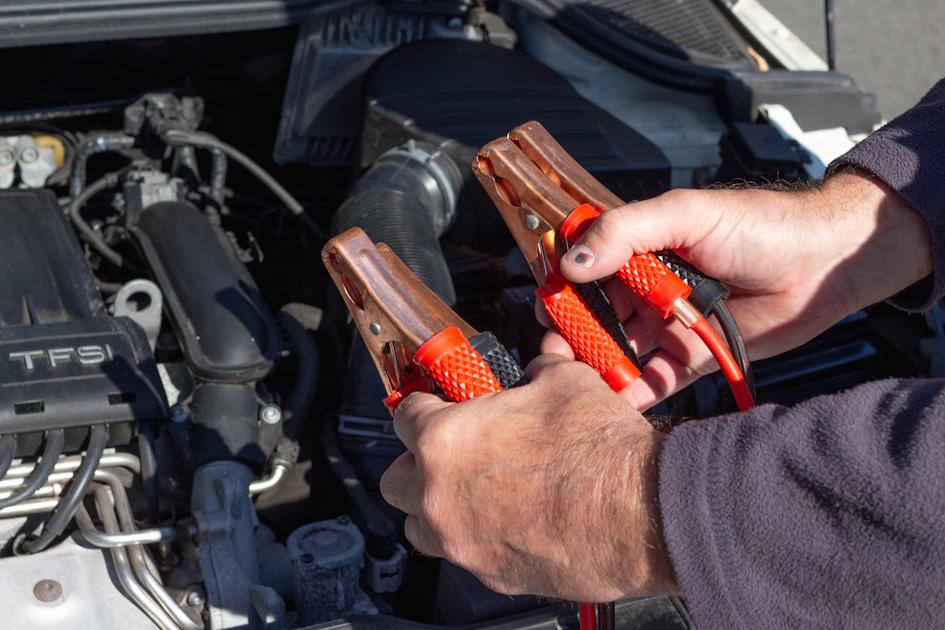
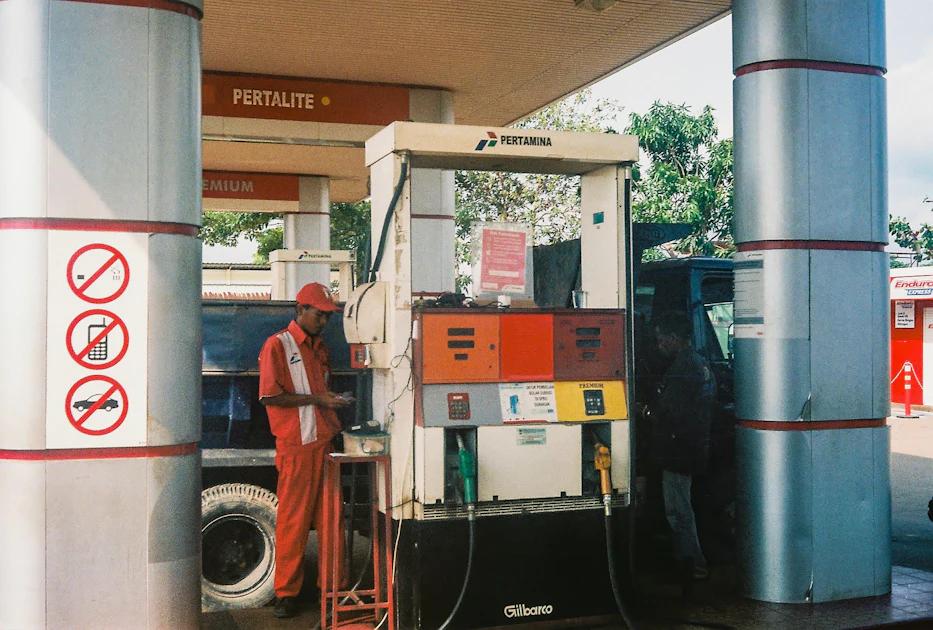
That sinking feeling when your car starts making a weird noise, or worse, when the check engine light flashes on? We’ve all been there. It’s scary, and usually expensive. The truth is, most major repairs—the ones that empty your wallet—are entirely preventable. They happen because we ignore the small stuff.
Taking control of your vehicle doesn’t require a mechanics degree; it just requires a plan. This comprehensive, expert-backed car maintenance checklist breaks down all the crucial checks into simple, manageable steps. By the end of this article, you will know exactly what to do, when to do it, and why it matters, transforming you from a nervous driver into a confident car owner.
Why a Routine Car Maintenance Checklist Saves You Thousands
Think of your car like your body: small preventative actions (like brushing your teeth) stop painful, costly emergencies (like root canals). When it comes to your vehicle, routine maintenance isn’t just about making the car run better; it’s about asset protection.
The Real Cost of Neglect
I once had a client who skipped their oil change for nearly a year because they were busy. The result? The old oil turned to sludge, starving the engine of lubrication. The fix wasn’t a $60 oil change; it was a $7,000 engine replacement. This is a common story.
Skipping basic checks accelerates wear and tear. A cheap component failure (like a dry-rotted belt) can quickly cascade into a failure of an expensive system (like overheating the engine).
Monthly Checks: The Quick Visual Scan
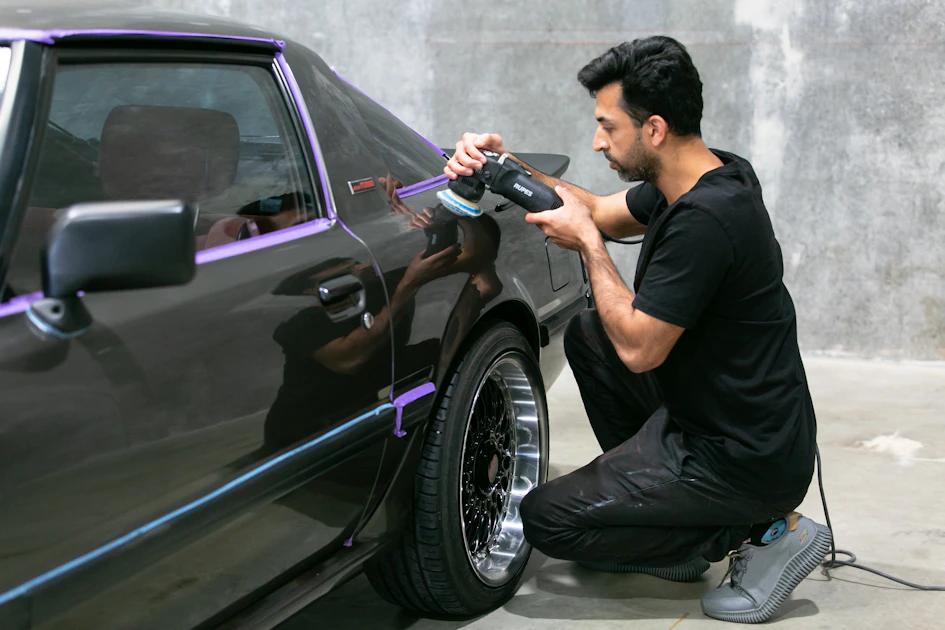
These are the tasks you can do in five minutes while waiting for the gas tank to fill up. They rely mostly on sight and sound, and they are the foundation of a proactive car maintenance checklist.
1. Tires: Air, Tread, and Condition
Your tires are the only four spots where your vehicle touches the road. Their condition affects everything from safety and handling to fuel economy.
- Pressure: Check the pressure (PSI) when the tires are cold (before driving). The correct PSI isn’t stamped on the tire itself; it’s on a sticker inside the driver’s side door jamb.
- Tread Depth (The Penny Test): Insert a penny upside down into the deepest groove. If you can see the top of Lincoln’s head, your treads are dangerously low, and you need new tires immediately.
- Visual Inspection: Look for visible cuts, bulges, or embedded nails. Bulges indicate internal damage and are a blowout waiting to happen.
2. Fluids: Levels and Color
Pop the hood and look at the reservoir tanks. This is a quick check, not a change.
- Engine Oil: Pull the dipstick, wipe it clean, reinsert it fully, then check the level. If it’s below the “Add” line, top it up. Note the color—dark black and thick means it’s due for a change, regardless of mileage.
- Windshield Wiper Fluid: Always keep this topped up. Visibility is non-negotiable.
- Coolant/Antifreeze: Check the level in the overflow reservoir. Never open the radiator cap when the engine is hot.
3. Lights and Signals
Walk around the car, front and back, with the car running. Have a friend step on the brake pedal while you check the brake lights. Ensure all headlights, high beams, turn signals, and reverse lights are functioning.
Seasonal/Quarterly Checks: Keeping Systems Healthy
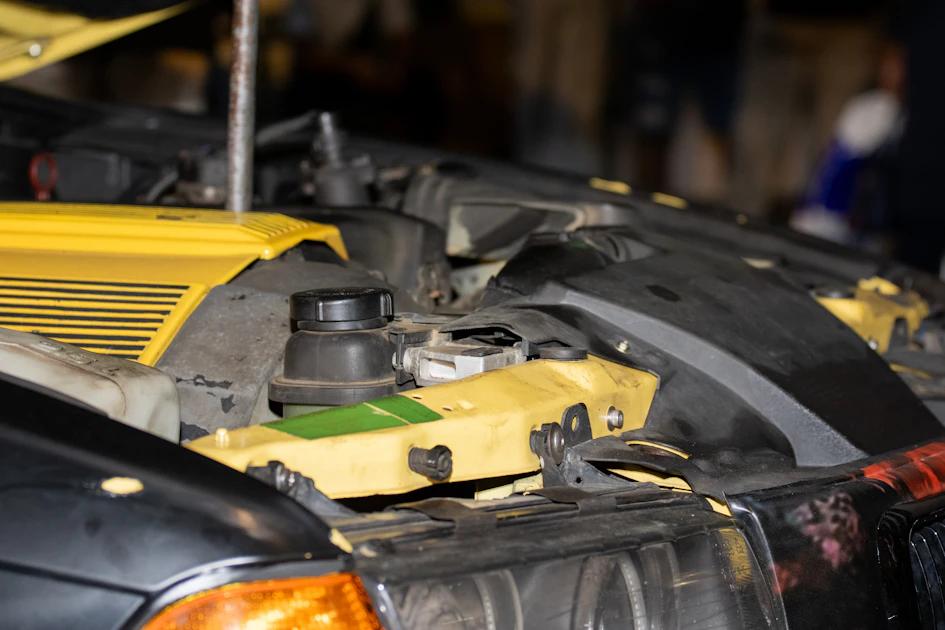
These tasks are slightly more involved and should be addressed every three to four months, especially before or after harsh weather changes (like summer heat or winter cold).
Battery Health and Terminals
Extreme temperatures punish batteries. Cold weather reduces their power, and heat accelerates internal corrosion.
- Inspect the terminals. If you see white or bluish powdery buildup (corrosion), clean it using a wire brush and a mixture of baking soda and water. Corrosion restricts the flow of current.
- Ensure the cables are tightly fastened to the terminals.
- If your car is struggling to start, have the battery load-tested by a professional before it fails completely.
The ‘Squeeze Test’ for Belts and Hoses
Locate the rubber belts (serpentine belt) and hoses (radiator hoses) under the hood. These components dry out and crack over time.
- Hoses: Squeeze the hoses gently. They should feel firm yet pliable. If a hose feels mushy, brittle, or swollen, it needs replacing immediately. A burst hose means a catastrophic loss of coolant.
- Belts: Look for cracks, fraying, or excessive wear. A squealing sound during acceleration is a classic sign of a worn or loose serpentine belt.
Air Filters
There are two key filters you need to change:
- Engine Air Filter: Restricts airflow to the engine if dirty, reducing power and fuel efficiency. Change this annually, or more often if you drive frequently on dusty roads.
- Cabin Air Filter: Cleans the air you breathe inside the car. If your AC/Heat smells musty, this filter is the culprit. Replacement is usually a five-minute DIY task located behind the glove box.
The Annual Car Maintenance Checklist: Deep Dive Items
These checks are typically performed every 12 months or every 10,000 to 15,000 miles, depending on your vehicle manufacturer’s specifications. Consult your owner’s manual.
1. Oil and Filter Change
The 3,000-mile oil change is largely a myth for modern vehicles using synthetic oil. Quality synthetic blends or full synthetics can easily last 7,500 to 10,000 miles.
- Key Action: Follow the mileage interval listed in your owner’s manual or the time interval (usually 6–12 months), whichever comes first.
2. Brake System Inspection
Brakes wear gradually, making it hard to notice when they become dangerous. Get a professional to inspect the full system annually.
- Pads: Check thickness. Pads are usually replaced when they reach 3–4 millimeters.
- Rotors: Check for excessive scoring or warping.
- Brake Fluid: Fluid absorbs moisture over time, reducing effectiveness. It should be flushed and replaced every two to three years.
3. Steering and Suspension Check
Listen for clunking noises when driving over bumps. If your car feels bouncy, uneven, or pulls strongly to one side, you may have issues with your struts, shocks, or tie rods. These components are essential for maintaining control, especially at high speeds.
Key Takeaways: Mistakes Beginners Often Make
Applying this comprehensive car maintenance checklist effectively means avoiding a few common pitfalls:
- Ignoring the Owner’s Manual: Your manual is the Bible for your specific vehicle. It contains the exact fluid types, capacities, and timing belts schedules you need. Do not trust generic advice over your manual.
- Over-relying on Quick-Lube Places: While convenient, these shops often use lower-grade parts and pressure you into unnecessary services. For complex work, find an independent mechanic you trust.
- Forgetting the Spare Tire: Check the pressure and condition of the spare tire at least twice a year. If you get a flat, you need a usable backup.
- Topping Off vs. Changing: If your engine oil or coolant consistently needs to be topped off, it means you have a leak somewhere. Don’t ignore leaks; they lead to bigger problems.
Frequently Asked Questions (FAQ)
Watch: AUTOMOTIVE MECHANIC Interview Questions & Answers! #mechanic #jobinterview
Q: Do I really need to follow the ‘Severe’ maintenance schedule?
A: For most drivers, yes. Manufacturers list two schedules: Normal and Severe. If you frequently drive in heavy stop-and-go traffic, idle often, drive in extreme temperatures (hot or cold), or take short trips (under 10 miles), you fall under the Severe category. Most modern driving conditions qualify as Severe, meaning you should service your vehicle more frequently.
Q: What is the most important fluid check?
A: Engine oil is arguably the most critical because it lubricates and cools the engine, preventing immediate, catastrophic failure. However, transmission fluid and brake fluid are close seconds because their failure affects control and safety.
Q: Can I reset the maintenance light myself?
A: Sometimes, yes. On many modern cars, the oil life monitor is reset via a sequence of button presses on the dash (check your manual). However, a ‘Check Engine’ light (CEL) requires an OBD-II code reader to diagnose the specific problem before resetting. Ignoring a CEL is dangerous.
Taking charge of your car maintenance checklist is the single best investment you can make in your vehicle’s lifespan and your financial peace of mind. Start small—just get those tire pressures sorted this week. Once you start tracking the basics, the routine becomes automatic. You will save money, increase your safety, and enjoy the quiet confidence that comes from knowing your car is reliable.