
Ever stood in front of your coffee maker, wondering about that morning jolt? We’ve all been there, especially when comparing the robust intensity of espresso with the stovetop charm of a Moka pot. A common question that brews up is: what’s the real difference in caffeine content between Moka pot coffee vs espresso? It’s a vital piece of information for any coffee lover looking to manage their intake or simply understand their brew better.
This isn’t just about a quick fix; it’s about understanding the magic behind the beans and the brewing. We’ll dive deep into how each method extracts those precious caffeine molecules, looking at factors like pressure, temperature, and grind size. Get ready to become your own coffee expert and demystify the caffeine levels in these beloved coffee styles.
The Heart of the Matter: What Influences Caffeine?
Before we pit Moka pot against espresso, let’s talk about what makes coffee caffeinated in the first place. Caffeine is a natural stimulant found in coffee beans. Its extraction is heavily influenced by several key factors during the brewing process.
These include:
- Bean Type: Arabica beans generally have less caffeine than Robusta beans. This is a foundational element regardless of brewing method.
- Roast Level: Lighter roasts tend to retain slightly more caffeine than darker roasts, though the difference is often minimal per serving. Flavor profiles change more drastically.
- Grind Size: Finer grinds offer more surface area for water to interact with, potentially extracting more caffeine. However, too fine a grind can lead to bitterness.
- Water Temperature: Hotter water extracts caffeine more efficiently. However, excessive heat can scorch the grounds, impacting taste negatively.
- Brew Time: Longer contact between water and coffee grounds generally means more caffeine extraction.
- Pressure: This is where espresso and Moka pots really diverge. Higher pressure leads to faster and more efficient extraction.
Understanding these variables helps paint a clearer picture when comparing different brewing methods.
Espresso: The High-Pressure Powerhouse
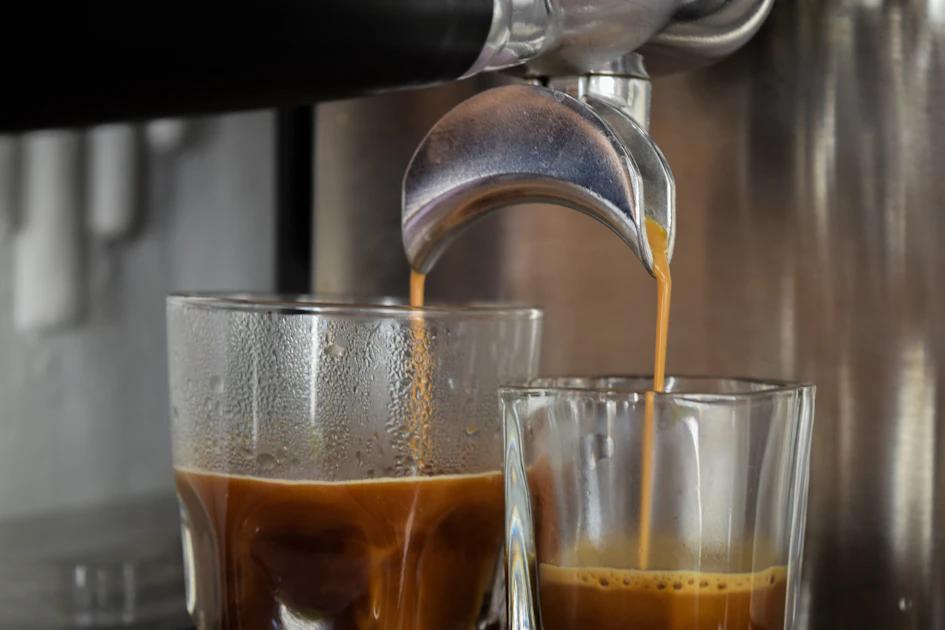
Espresso is the gold standard for concentrated coffee. It’s made by forcing a small amount of nearly boiling water (around 90-96°C or 195-205°F) under high pressure (typically 9 bars or more) through finely-ground coffee beans. This process is incredibly fast, usually taking only 20-30 seconds.
The result is a small, intense shot of coffee with a rich, syrupy body and a layer of reddish-brown foam called crema on top. This crema is a hallmark of a well-pulled espresso shot and is formed by the emulsification of coffee oils and carbon dioxide under pressure.
When we talk about espresso, we’re usually referring to a single or double shot. A typical single shot (about 1 ounce or 30 ml) contains roughly 64 mg of caffeine. Data from The Spruce Eats indicates that a standard 8-ounce cup of brewed coffee can contain anywhere from 95 to 200 mg of caffeine, with espresso shots often having a higher concentration per volume. This means that while a single espresso shot has less total caffeine than a large cup of drip coffee, its potency is undeniable.
The Espresso Extraction Process
Think of an espresso machine as a high-tech extraction device. The intense pressure is the secret sauce. It forces water through the coffee grounds at such speed and efficiency that it pulls out a concentrated dose of flavor and, yes, caffeine. The fine grind is crucial here; it creates resistance, allowing the pressure to work its magic.
This high-pressure, short-duration brew is what gives espresso its unique character and its caffeine punch per ounce. It’s why a tiny espresso can feel so strong. The science behind this rapid extraction is fascinating, showcasing how physical forces can dramatically alter the chemical compounds we enjoy in our coffee.
The Moka Pot: Stovetop Simplicity with a Kick
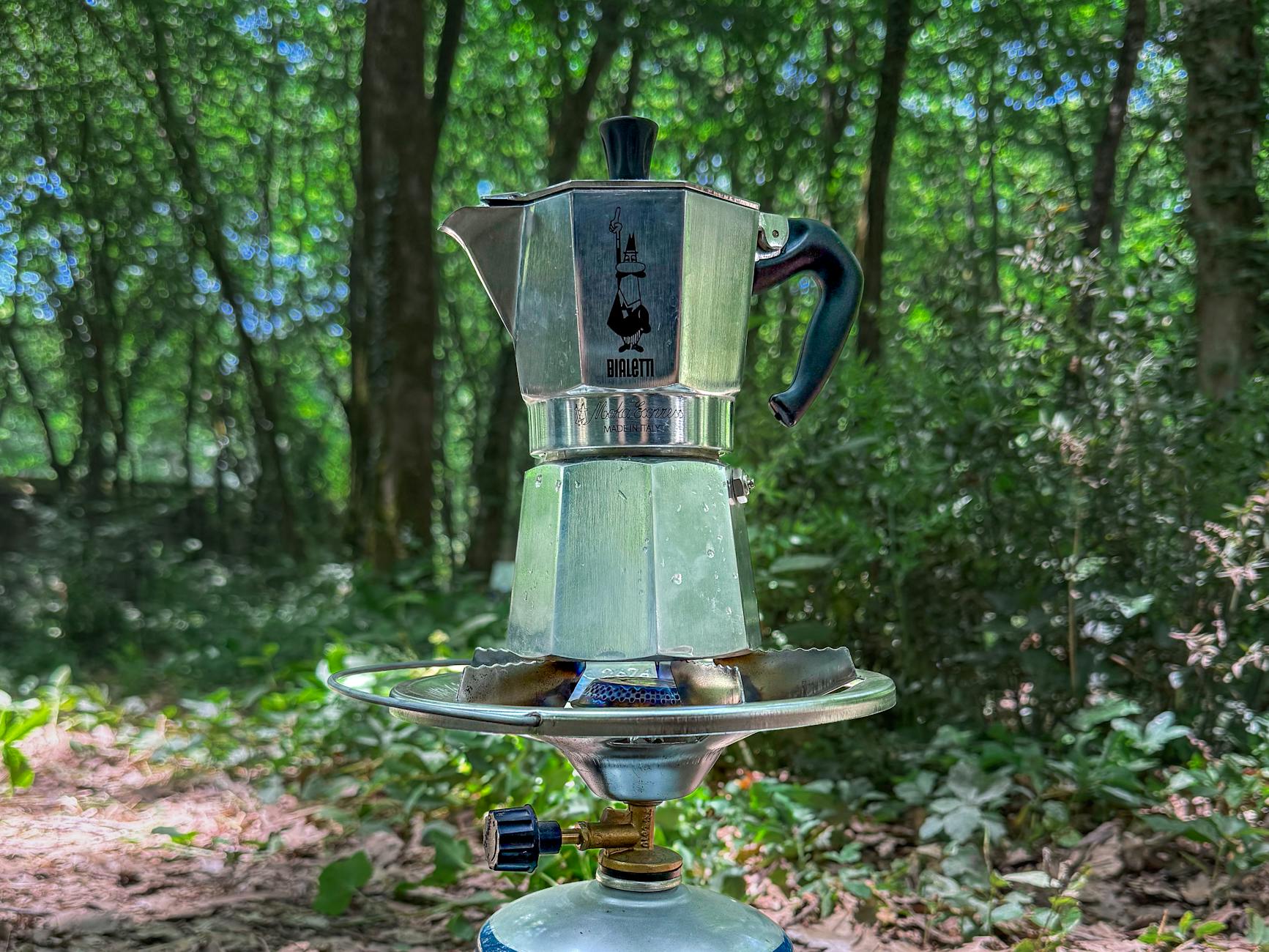
The Moka pot, often called a stovetop espresso maker, is a beloved brewing device, especially in Europe and Latin America. Invented in Italy in the 1930s, it uses steam pressure to push hot water from a lower chamber up through coffee grounds in a middle filter basket, and then into an upper chamber where the brewed coffee collects. You can learn more about the history and mechanics of the Moka pot on Wikipedia.
While it uses pressure, it’s significantly less than an espresso machine. The pressure generated in a Moka pot is typically between 1 to 2 bars, far below the 9 bars needed for true espresso. This lower pressure, combined with slightly longer brew times (usually a few minutes), results in a coffee that is stronger and more concentrated than standard drip coffee but generally less intense than espresso.
Moka Pot Coffee vs Espresso Caffeine Content Comparison
Now, let’s get to the heart of the matter: Moka pot coffee vs espresso caffeine content. This is where things get interesting and often misunderstood.
A typical 1-ounce serving of espresso contains about 64 mg of caffeine. A Moka pot, depending on its size and how much coffee you brew, will produce a larger volume of liquid. If you brew a standard Moka pot serving (often around 2-3 ounces, or 60-90 ml, depending on the pot size and how much water you fill), you might be looking at a caffeine content that can range from 80 mg to as high as 120 mg or even more per serving.
This means that per serving, a Moka pot often delivers more caffeine than a single shot of espresso. However, if you compare them ounce for ounce, espresso typically has a higher caffeine concentration. A 1-ounce serving of espresso has about 64 mg of caffeine, while a 1-ounce serving of Moka pot coffee might have around 40-60 mg, depending on the factors mentioned earlier.
So, while a Moka pot brew might feel just as strong or even stronger, it’s usually because you’re drinking a larger volume. The intensity of espresso comes from its incredibly concentrated nature and the rich crema, which is absent in Moka pot coffee.
Factors Affecting Moka Pot Caffeine Levels
Several elements can tweak the caffeine content in your Moka pot brew:
- Water Level: Filling the lower chamber to the brim with water can increase the brewing temperature and pressure slightly, potentially leading to more extraction.
- Coffee Grind: Using a grind that’s too fine can clog the filter, increasing pressure and potentially extracting more caffeine (and bitterness). A grind slightly coarser than espresso but finer than drip is usually recommended.
- Coffee Amount: Packing the filter basket too tightly or too loosely will affect how water flows through the grounds.
- Heat Application: Applying too much heat can lead to a burnt taste and over-extraction, impacting both flavor and caffeine.
Common Misconceptions and Beginner Mistakes
One of the biggest misconceptions is that Moka pots make true espresso. They don’t. They produce a strong, concentrated coffee that’s espresso-like, but the pressure simply isn’t high enough. This is a crucial distinction when discussing Moka pot coffee vs espresso caffeine content.
Another common mistake is using the wrong grind size. Too fine, and you risk clogging and bitterness. Too coarse, and your coffee will be weak. Experimentation is key here. Many beginners also burn their coffee by using heat that’s too high, leading to a metallic or bitter taste that masks the nuanced flavors.
Over-Extraction and Under-Extraction
- Over-extraction: This happens when the coffee grounds are exposed to water for too long or at too high a temperature/pressure. It results in a bitter, harsh taste and can extract more caffeine than desired, but often at the expense of flavor.
- Under-extraction: This occurs when the water passes through the grounds too quickly or at too low a temperature/pressure. The coffee tastes sour, weak, and lacks depth. It will also have less caffeine.
Finding that sweet spot is what separates a good Moka pot brew from a great one.
Brewing the Perfect Moka Pot Coffee: A Quick Guide
Getting the best out of your Moka pot is a rewarding ritual. Here’s a simple approach:
- Fill the Base: Unscrew the Moka pot and fill the lower chamber with cold water up to the level of the safety valve. Some prefer pre-heated water, which can speed up brewing and reduce metallic taste, but cold is standard.
- Add Coffee: Fill the filter basket with your favorite ground coffee. Do not tamp it down; level it off gently with your finger or a spoon. A medium-fine grind is usually best.
- Assemble: Screw the top chamber onto the base tightly. Ensure it’s sealed well to prevent steam leaks.
- Heat: Place the Moka pot on a medium heat setting on your stovetop. Avoid high heat, which can scorch the coffee and create a bitter taste.
- Brew: As the water heats, steam pressure will build and force water up through the coffee grounds. You’ll hear a gurgling sound. Once coffee starts flowing into the upper chamber, reduce the heat slightly.
- Stop Brewing: Remove the Moka pot from the heat just as the stream of coffee becomes thin and bubbly, or when you hear a sputtering sound. This prevents overheating and bitterness. A research paper on brewing methods touches upon optimal extraction parameters.
- Serve: Stir the coffee in the upper chamber to ensure even flavor distribution, then pour immediately. You can enjoy it black or add milk and sugar as desired. For a taste of how Moka pot coffee can be enjoyed in specific cultural contexts, consider a recipe like Cuban Coffee (Cafecito), which often uses a Moka pot.
Choosing Your Coffee Grounds
Selecting the right coffee grounds is paramount for both Moka pots and espresso machines. While a Moka pot is more forgiving than an espresso machine, the grind size still matters immensely. You’re looking for something finer than drip coffee but coarser than what you’d use for espresso. This allows for proper water flow and extraction without bitterness.
Many brands offer pre-ground coffee specifically for Moka pots, which can be a great starting point for beginners. If you’re grinding your own beans, aim for a consistency that looks like table salt. The Spruce Eats offers a guide to some of the best ground coffees available, which could help you find a suitable option.
Practical Takeaways: Moka Pot vs. Espresso Caffeine
- Espresso: Higher caffeine concentration per ounce. Typically around 64 mg per 1-ounce shot.
- Moka Pot: Often delivers more caffeine per serving due to larger serving sizes (2-3 oz). Caffeine content per ounce is generally lower than espresso.
- Pressure is Key: Espresso machines use much higher pressure (9+ bars) than Moka pots (1-2 bars), leading to a more concentrated brew.
- Grind Matters: Use a medium-fine grind for Moka pots (finer than drip, coarser than espresso).
- Brew Time: Espresso is fast (20-30 seconds), while Moka pots take a few minutes.
- Taste Profile: Espresso is intense with crema; Moka pot coffee is strong and rich but lacks crema.
Frequently Asked Questions
Is Moka pot coffee stronger than espresso?
Moka pot coffee is often perceived as stronger because it’s typically brewed and served in larger volumes (2-3 ounces) than a single espresso shot (1 ounce). While a 2-ounce Moka pot brew might contain more total caffeine than a 1-ounce espresso shot, espresso has a higher caffeine concentration per ounce due to the high-pressure brewing method.
Can I use espresso grounds in my Moka pot?
Using espresso grounds in a Moka pot is generally not recommended. Espresso grounds are very finely ground, which can lead to over-extraction, bitterness, and clogging of the Moka pot’s filter basket. This can also cause excessive pressure buildup. A grind slightly coarser than espresso, often described as medium-fine, works best.
Does Moka pot coffee have crema?
No, Moka pot coffee does not produce crema. Crema is a byproduct of high-pressure extraction, specifically the emulsification of coffee oils with carbon dioxide under pressures of 9 bars or more, which is characteristic of true espresso machines. Moka pots operate at much lower pressures (1-2 bars), so they cannot create this distinct layer.
Is Moka pot coffee healthier than espresso?
Both Moka pot coffee and espresso are relatively healthy beverages, with caffeine being the primary active compound. Some studies suggest that unfiltered coffee (like French press) can raise cholesterol levels due to compounds called diterpenes. Moka pots, however, use paper filters or metal filters that remove some of these compounds, making them similar to drip coffee in this regard. The main health considerations revolve around caffeine intake and any added sugar or milk.
How much caffeine is in a 3-cup Moka pot?
A “3-cup” Moka pot typically yields around 5-6 ounces (150-180 ml) of coffee, which is more than a typical single serving. The total caffeine content for this volume could range from 120 mg to 180 mg or more, depending on the coffee used and brewing specifics. This is significantly more than a single espresso shot but comparable to, or slightly less than, a large cup of drip coffee.
The Final Brew: Understanding Your Caffeine Choice
Navigating the world of Moka pot coffee vs espresso caffeine content reveals that both offer a delightful, potent coffee experience, but in different ways. Espresso delivers its caffeine in a highly concentrated, intense shot, perfect for a quick, powerful boost. The Moka pot, on the other hand, provides a larger, robust brew that often packs more total caffeine per serving, offering a more leisurely, yet still satisfying, coffee ritual.
Ultimately, the choice between them depends on your preference for intensity, volume, and the brewing experience itself. Whether you’re a seasoned barista or just starting your coffee journey, understanding these differences empowers you to brew your perfect cup, every time. Enjoy exploring the rich spectrum of coffee!