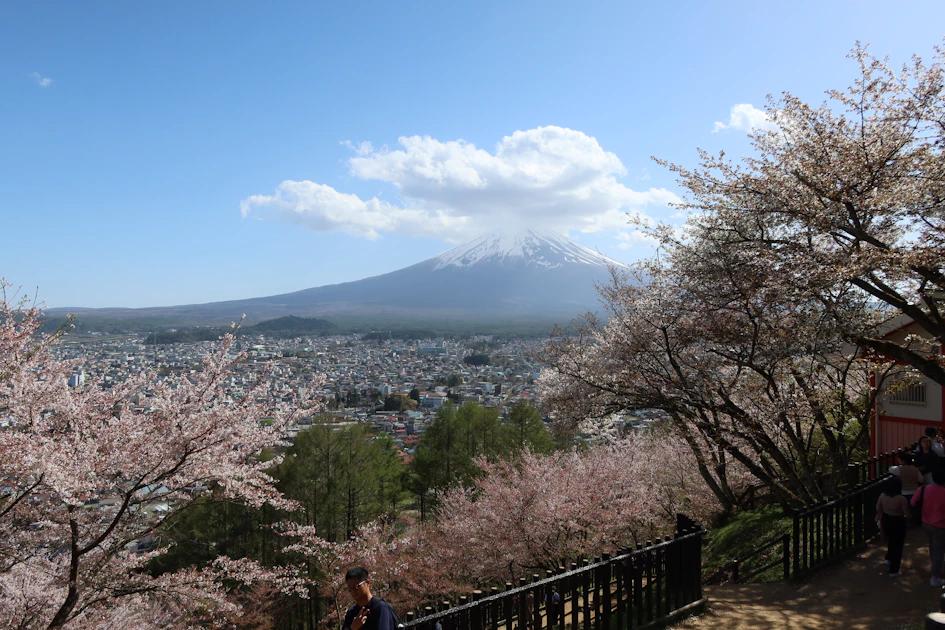
You’ve booked the flight. You’ve got the rail pass. Now comes the hard part: narrowing down the itinerary. Japan is a country of staggering beauty, from ancient forests to hyper-modern skylines. Trying to choose where to spend your limited time can feel overwhelming.
As someone who has spent years exploring this archipelago, I can tell you the secret is balancing the old with the new, and the city with the wild. We aren’t just looking for tourist spots; we are looking for those truly beautiful places to travel in Japan that stick with you long after you’ve left.
This guide cuts through the noise. We’ll focus on the essential scenic and cultural destinations, providing practical advice so you can build an unforgettable, efficient itinerary.
The Cultural Heartbeat: Kyoto and Nara
If you want to feel the history of Japan, you must start here. Kyoto is the soul of the nation, preserved through centuries. Nara offers a gentler, older charm.
The Timeless Beauty of Gion and Arashiyama
Kyoto is famous for its thousands of temples, but true beauty lies in its atmospheric neighborhoods.
Gion: This is the traditional geisha district. The magic happens at dusk when the lanterns light up Pontocho Alley. Walk quietly down Hanami-koji Street; you might catch a glimpse of a geiko (Kyoto geisha) hurrying to an engagement. It feels like stepping into a woodblock print.
Arashiyama Bamboo Grove: Don’t just rush through the main path. The real experience is arriving early—before 8 AM—when the light filters through the towering stalks. The air is cool and the crowds are minimal. This is non-negotiable for a truly peaceful visit.
Nara’s Gentle Giants
Just a short train ride from Kyoto or Osaka, Nara Park is one of the most unique and beautiful places to travel in Japan. It’s home to over 1,000 wild sika deer, considered messengers of the gods.
Seeing these animals bow for a cracker is charming, but the real highlight is Todai-ji Temple. Housing one of the largest bronze Buddha statues in the world, the sheer scale of this wooden structure is breathtaking.
Expert Tip: Buy the deer crackers (senbei) from the vendors, but hide the bag in your pocket. The deer are smart and will swarm you if they see the supply!
Modern Marvels and Urban Escape: Tokyo
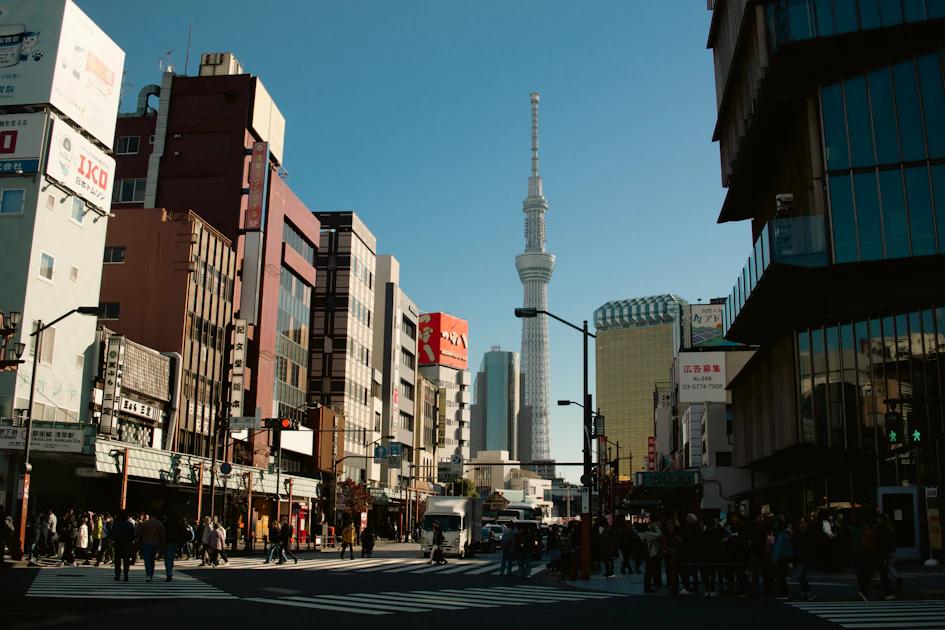
Tokyo is often seen as a concrete jungle, but its beauty is found in its meticulously managed green spaces and its charming, hidden pockets.
Shinjuku Gyoen National Garden
Need a break from the sensory overload of Shibuya Crossing? Head straight to Shinjuku Gyoen. This massive park is an oasis in the middle of the city’s highest skyscrapers.
It features three distinct styles: French Formal, English Landscape, and traditional Japanese. It’s perfect for a picnic and offers stunning contrast photography—ancient trees against the backdrop of the NTT DoCoMo Yoyogi Building.
Beyond the Neon: Yanaka Ginza
For a different kind of urban beauty, escape the tourist circuit entirely. Yanaka is one of the few districts in Tokyo that survived the WWII bombings, preserving its low-rise, old-town charm.
Yanaka Ginza is a pedestrian shopping street lined with small, family-run shops and traditional wooden houses. It’s a glimpse into pre-war Tokyo life—unpolished, authentic, and wonderfully photogenic.
The Majestic Outdoors: Central Japan and Hokkaido
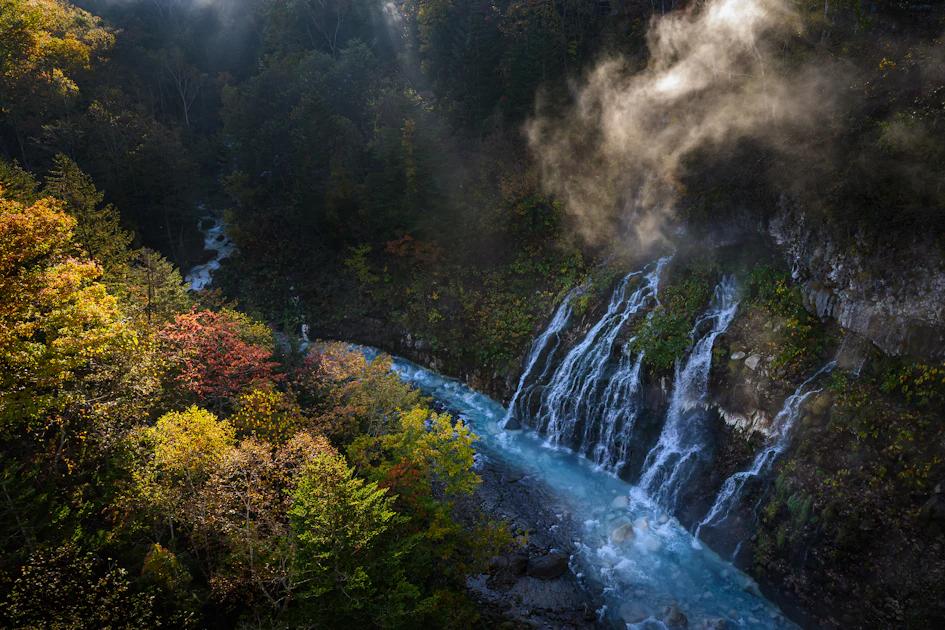
Japan’s natural scenery is vast and varied. To appreciate the full scope of the country’s beauty, you must leave the main corridor.
Hakone: Views of Mount Fuji
Hakone offers the most accessible and iconic views of Mount Fuji (Fuji-san). This volcanic national park is easily reached from Tokyo and is designed for scenic travel.
The Hakone Loop itinerary involves a pirate ship cruise across Lake Ashi and a ride on the ropeway, offering spectacular vantage points. Staying in a traditional ryokan (inn) with an onsen (hot spring bath) here is the ultimate relaxation experience.
Common Mistake to Avoid: Don’t plan Hakone for just one day if seeing Fuji is your priority. Fuji is often shrouded in clouds. Budget two days for better odds of a clear, stunning view.
Hokkaido’s Seasonal Splendor
For sheer, untamed natural beauty, head north to Hokkaido. This island offers a dramatically different experience depending on the season.
Winter: Hokkaido is famous for the Sapporo Snow Festival and world-class powder skiing. The landscapes are pristine and starkly beautiful.
Summer: Head to Furano and Biei. The rolling hills are covered in vibrant carpets of lavender, sunflowers, and poppies. It’s a stunning, colorful contrast to the misty temples of Kyoto.
Practical Tips for Planning Your Scenic Trip
To ensure your trip to these beautiful places to travel in Japan is seamless, keep these logistical points in mind:
- Optimize for Light: For temple visits (Kyoto) and nature shots (Arashiyama, Fuji), always aim for sunrise or sunset. The golden hour transforms the scenery.
- Embrace the Off-Season: Late autumn (mid-November to early December) offers spectacular koyo (fall foliage) without the peak spring crowds.
- Utilize Luggage Forwarding: Japan’s Takuhaibin service is incredible. Send your main suitcase ahead to your next hotel. Traveling light between cities (especially on bullet trains and local buses) makes navigating easier and more pleasant.
- Book Ryokans Early: If you want the traditional experience in scenic areas like Hakone or Shirakawa-go, these small inns book up months in advance, especially during peak season.
- Learn Basic Phrases: While English is common in major hubs, knowing simple phrases (e.g., Arigato, Sumimasen) shows respect and opens doors to warmer interactions in smaller, more beautiful towns.
Frequently Asked Questions (FAQ)
Is Kyoto or Tokyo better for a first-time visitor focused on beauty?
If your definition of beauty is traditional culture, ancient architecture, and tranquility, Kyoto wins. Tokyo’s beauty is dynamic, modern, and high-energy. I recommend splitting your time to experience both sides of Japan.
When is the absolute best time to see Mount Fuji clearly?
The clearest views of Fuji-san are typically during the colder months, from October through February. The air is drier, and the mountain is often snow-capped, adding to its majesty. Summer months are notoriously cloudy.
Are there any genuinely beautiful hidden gems outside the main cities?
Absolutely. Consider the Kiso Valley and the Nakasendo Trail, specifically the preserved post towns of Tsumago and Magome. Walking the ancient path between these towns offers deep historical context and stunning, peaceful rural scenery.
Conclusion
Japan is a destination that rewards curiosity and preparation. The country offers a spectrum of beauty—from the perfectly manicured gardens and silent temples of its cultural heartland to the raw, rugged landscapes of its northern islands.
Don’t try to see everything. Instead, choose a few of these beautiful places to travel in Japan and immerse yourself fully. Focus on the experience, the light, and the quiet moments between destinations. That’s where the real magic of Japan lies.