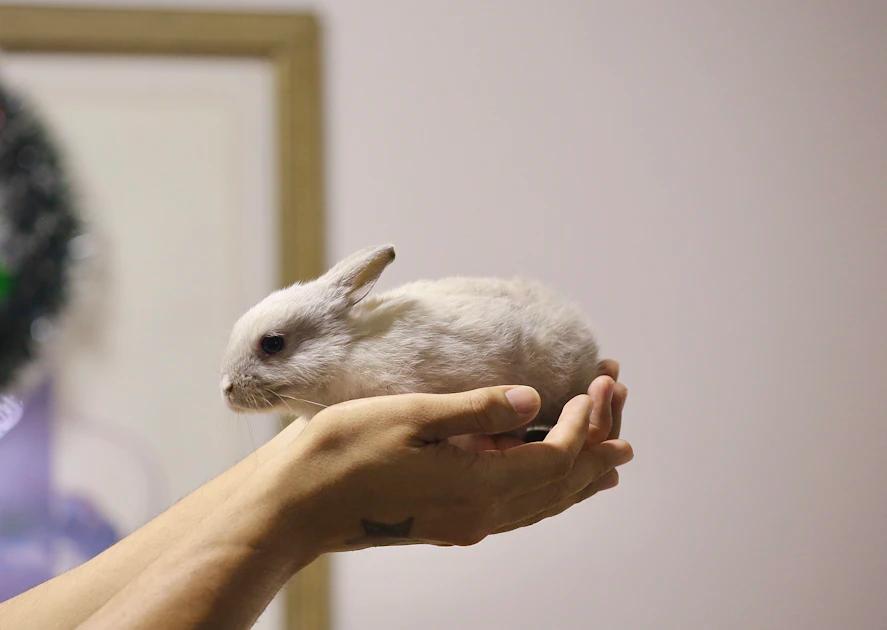
The Foundation of Bunny Health
Welcoming a rabbit (or two!) into your home is an incredibly rewarding experience. These intelligent, social, and affectionate creatures can bring immense joy, but they require highly specialized care. Unlike dogs or cats, rabbits are prey animals, meaning they are masters at hiding signs of illness. This makes preventative care and rapid response absolutely essential for new owners.
Following these comprehensive rabbit health tips for new owner guidelines will lay the groundwork for ensuring your bunny enjoys a long, vibrant life, often extending well into their teens.
1. The Cornerstone of Rabbit Health: Diet
Diet is the single most critical factor in rabbit wellness. A correct diet prevents the most common health crises, including dental disease and deadly gastrointestinal (GI) stasis.
Unlimited Hay: The Digestive Engine
Hay is not a snack; it must make up 80-90% of your rabbit’s total diet. Hay provides the high fiber needed to constantly move food through their delicate digestive tract. It also serves the vital function of grinding down their continuously growing teeth.
- Recommended Types: Timothy, orchard grass, or oat hay. Alfalfa hay is only suitable for baby rabbits (kits) due to its high calcium content.
- Practical Tip: Ensure your rabbit always has access to a pile of fresh hay that is roughly the size of their body every single day.
Quality Pellets and Fresh Greens
Pellets should be a high-fiber, plain timothy-based formula, fed in very limited quantities. They should never contain seeds, colored pieces, or dried corn, which contribute to obesity and GI problems.
Fresh vegetables and greens provide necessary vitamins, hydration, and enrichment. Introduce new greens slowly and watch for soft stools. Daily feedings should include a variety of 3-5 bunny-safe options, such as romaine lettuce, cilantro, parsley, basil, and dandelion greens.
- Avoid: Iceberg lettuce (low nutritional value), high-sugar fruits (treats only, minimal amounts), and starchy root vegetables like carrots (high in sugar).
2. Crucial Dental Care: Why Hay is King

Rabbits are hypsodonts, meaning their teeth—incisors and molars—grow continuously, up to 3-5 millimeters per week. The constant chewing motion of fibrous hay naturally wears these teeth down. Without adequate fiber, teeth can develop sharp spurs or grow into the jaw or eye socket, causing immense pain and preventing the rabbit from eating.
Recognizing Dental Issues
Dental issues are a serious component of bunny health care and often require immediate attention from a specialized veterinarian. Signs include:
- Refusal to eat hard food or hay.
- Slobbering or wet fur around the chin.
- Changes in droppings (smaller, fewer, or none).
- Weight loss or lethargy.
If you notice these symptoms, do not wait. Dental disease can rapidly lead to starvation and GI stasis.
3. Creating a Safe and Stimulating Environment

While housing is secondary to diet, a stress-free and appropriate environment is fundamental to rabbit health tips for new owner success.
Housing and Temperature Control
Your rabbit needs space to stretch out, run, and stand fully upright. Cages or small hutches are inadequate. Exercise pens (x-pens) or bunny-proofed rooms are preferred. Ensure their area is protected from extreme temperatures. Rabbits are highly sensitive to heat; temperatures above 80°F (27°C) pose a serious risk of deadly heatstroke. Always provide cooling tile, frozen water bottles, and shade during warmer months.
Exercise and Enrichment
Rabbits need a minimum of 3-4 hours of monitored, out-of-cage exercise daily. This activity is vital not just for muscle tone but also for mental stimulation and encouraging gut motility. Provide safe chew toys, tunnels, and digging opportunities to satisfy their natural behaviors.
4. The Importance of Specialized Veterinary Care
Finding the right veterinarian is one of the most important steps you will take as a new rabbit owner.
Find an Exotic Veterinarian
Rabbits are classified as exotic pets, and most standard dog and cat veterinarians do not have the specialized training required to treat them. You must locate a veterinarian who is experienced in rabbit medicine before an emergency strikes.
Spaying and Neutering
Spaying female rabbits (does) is crucial for their long-term health, as unspayed females have an extremely high risk (80% or more) of developing uterine cancer by the age of five. Neutering males (bucks) reduces hormonal aggression and aids in easier litter training.
Annual Checkups and Vaccinations
Routine annual or bi-annual checkups are necessary to catch subtle health issues early. Depending on your geographical location, rabbits require vaccinations against severe, highly contagious diseases like Myxomatosis and Rabbit Hemorrhagic Disease Virus 2 (RHDV2). Discuss the necessary vaccine schedule with your exotic vet immediately.
5. Recognizing Signs of Illness: GI Stasis and Emergencies
Because rabbits hide illness so effectively, every new owner must know the critical warning signs. The most serious and common emergency is Gastrointestinal Stasis (GI Stasis).
What is GI Stasis?
GI Stasis occurs when the motility of the gut slows down or stops entirely. This is often caused by stress, pain, poor diet (lack of fiber), or illness. As the gut slows, harmful bacteria multiply, leading to gas buildup, severe pain, and potential liver failure.
Critical Warning Signs Requiring Immediate Action
If you observe any of the following, contact your exotic vet immediately. A rabbit that is not eating or passing droppings is a true emergency, not a situation for a “wait and see” approach.
- Anorexia: Refusal to eat hay or pellets for more than 10-12 hours.
- Lack of Droppings: Significantly fewer or no droppings being passed.
- Lethargy and Hiding: Excessive stillness, hunching in a corner, or unwillingness to move.
- Heavy or Labored Breathing: Fast, shallow breaths or breathing with the mouth open (a dire sign).
- Grinding Teeth (Loudly): Loud tooth grinding is a clear indicator of severe pain.
- Emergency Tip: If your rabbit hasn’t eaten in half a day, it constitutes a crisis. Keep critical supplies like critical care food (for syringe feeding) and gut motility supplements (as approved by your vet) on hand.
Commitment to Lifelong Wellness

Watch: 20 min SEATED Dynamic & Static Stretching Routine for Seniors
Caring for a rabbit is a commitment of 10 to 15 years. By prioritizing an optimal high-fiber diet, providing a safe and enriching environment, and establishing a relationship with an experienced exotic vet, you are setting your bunny up for optimal wellness. Consistent, proactive care is the best way to prevent common rabbit illnesses and ensure your beloved pet thrives.