
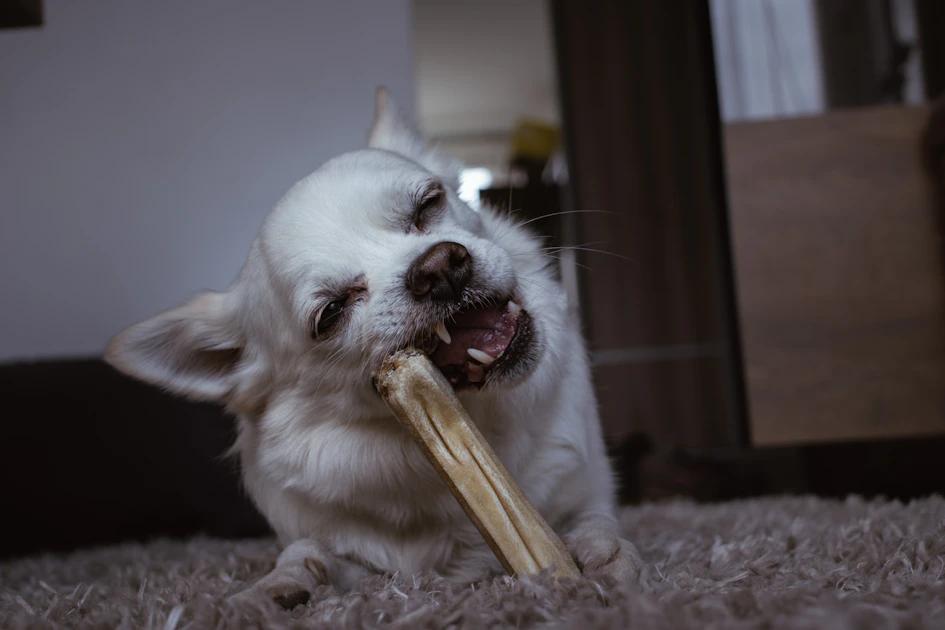
If your dog’s breath can clear a room, you know the struggle is real. That potent, fishy, or rotten smell isn’t just unpleasant; it’s a major sign that your dog needs urgent dental attention.
Learning how to fix dog bad breath at home requires commitment, but the payoff—a healthier mouth and sweeter kisses—is worth every minute. Bad breath, or halitosis, is typically caused by plaque buildup that hardens into tartar. This process leads to gum disease.
This guide cuts through the noise and gives you a clear, actionable, 4-step plan developed from years of hands-on experience in canine care. We will focus on practical techniques you can start today to eliminate that foul odor.
By the end of this article, you will have a comprehensive, sustainable home care routine established, leading to dramatically improved oral hygiene for your best friend.
Prerequisites: What You Need to Start
Before you begin the physical cleaning process, gather these essential, dog-specific supplies. Do not substitute human products.
- Enzymatic Dog Toothpaste: Must be formulated for dogs (they swallow it). Never use human toothpaste, which contains fluoride that is toxic to dogs.
- Dog Toothbrush or Finger Brush: Choose a brush size appropriate for your dog’s mouth.
- Dental Water Additive: Look for products with the VOHC (Veterinary Oral Health Council) seal of acceptance.
- High-Quality Dental Chews: Again, VOHC-approved chews offer proven mechanical scrubbing action.
- Treats/Rewards: Essential for positive reinforcement during training.
The 4-Step Action Plan: How to Fix Dog Bad Breath
This plan moves from immediate assessment to long-term prevention. Follow the steps sequentially for the best results.
Step 1: Initial Assessment and Identifying the Cause
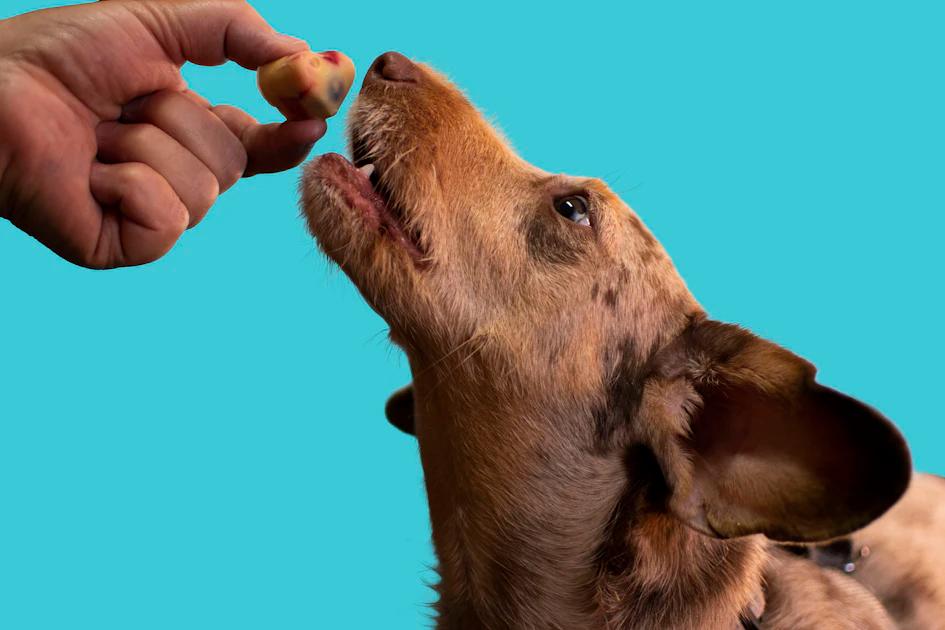
The first step to fixing the problem is understanding its source. Most bad breath stems from periodontal disease, but sometimes, a deeper issue is lurking.
1A. Perform the Quick Smell and Visual Test
Open your dog’s mouth gently and take a quick look and sniff. You are looking for specific odors and visual cues.
- Foul, Rotten Odor: This is the classic smell of periodontal disease, caused by bacteria interacting with food debris and plaque.
- Sweet or Fruity Odor: This is a serious red flag. It can indicate diabetes, requiring immediate veterinary attention.
- Urine or Ammonia Odor: This is another critical warning sign. It often signals kidney disease.
If you detect any unusual, non-rotting odors (sweet, fruity, or ammonia-like), stop home treatment and contact your veterinarian immediately.
1B. Visually Inspect the Gums and Teeth
Use your finger to gently lift your dog’s lips. Focus on the back teeth (premolars and molars), as this is where plaque builds up fastest.
Look for three key indicators of dental disease, which is the primary cause of halitosis. According to the American Kennel Club (AKC), the foul odor is caused by bacteria trapped in plaque and tartar [https://www.akc.org/expert-advice/health/stinky-dog-breath/]. The AKC provides trusted resources for canine health and behavior, emphasizing preventative care.
- Plaque/Tartar: Look for yellow or brown crusty buildup, especially near the gum line.
- Red or Swollen Gums (Gingivitis): Healthy gums are pale pink. Red, inflamed gums signal early gum disease.
- Bleeding or Missing Teeth: These are signs of advanced periodontal disease that needs professional intervention.
Crucial Note: If the tartar buildup is hard and extensive (Stage 2 or higher periodontal disease), home brushing alone cannot remove it. You must schedule a professional dental cleaning (anesthesia required) with your vet first. Home care is maintenance, not a cure for advanced disease.
1C. Understand Underlying Health Issues
While dental disease accounts for 80% of bad breath cases, other systemic issues can be responsible. Research from PetMD confirms that conditions like diabetes, kidney failure, or liver disease can manifest as severe halitosis [https://www.petmd.com/dog/symptoms/bad-breath-dogs-causes-treatment]. PetMD is a respected source for comprehensive pet health information, helping owners understand complex symptoms.
If your dog’s breath remains terrible despite consistent brushing, or if they show other symptoms (lethargy, excessive drinking), professional medical diagnosis is necessary.
Step 2: Implementing the Daily Brushing Routine (The Core Solution)
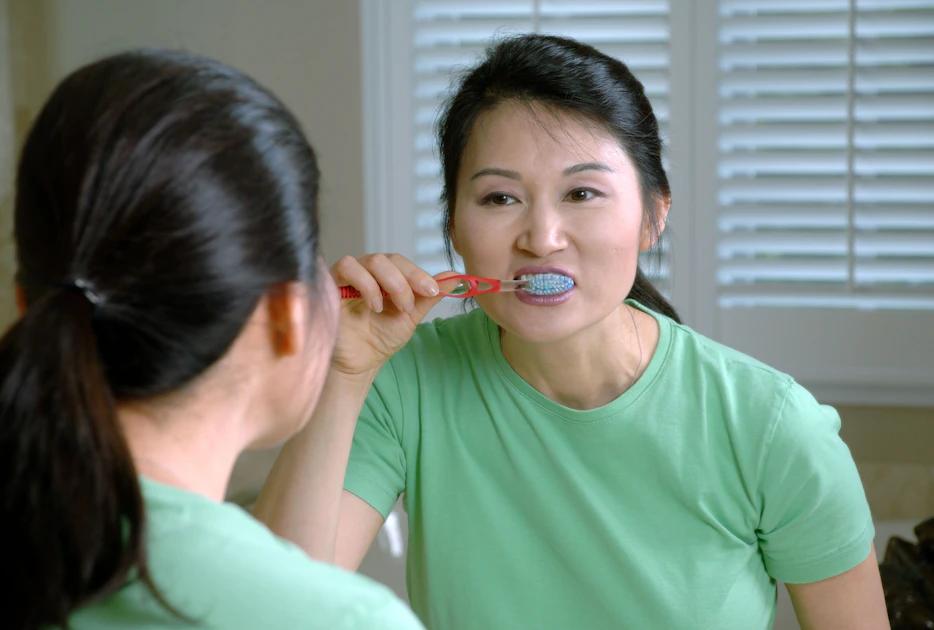
Brushing is the single most effective way to fix dog bad breath at home because it physically removes the plaque before it hardens into tartar.
Guidelines published by the Cornell University College of Veterinary Medicine state that daily brushing is the gold standard for preventing periodontal disease [https://www.vet.cornell.edu/departments-centers-and-institutes/riney-canine-health-center/canine-health-information/dental-disease-and-home-dental-care]. This institution is a world leader in veterinary research and education, providing authoritative advice on pet health maintenance.
Consistency is more important than duration. Aim for one minute daily, every day.
2A. Desensitization and Training (The First Week)
Never force the brush into your dog’s mouth. This will create fear and resistance, making future sessions impossible. Start slowly.
- Introduce the Taste: Put a small dab of enzymatic dog toothpaste on your finger. Let your dog lick it off. This associates the flavor with a positive experience.
- Finger Massage: For the next few days, rub your toothpaste-covered finger gently along the outside of their gums and teeth. Focus only on the cheek side (the side facing outward).
- Lift the Lip: Practice lifting their lips for 5-10 seconds without any toothbrush present. Reward heavily after each successful interaction.
2B. Mastering the Brushing Technique
Once your dog tolerates the finger, introduce the brush. A finger brush works well for smaller dogs; a long-handled brush is better for large breeds.
- Apply Paste: Place a pea-sized amount of dog toothpaste on the brush.
- Focus on the Outside: Start by brushing the canine teeth (fangs) and the large back molars. These areas accumulate the most plaque.
- The 45-Degree Angle: Hold the brush at a 45-degree angle to the tooth surface, aiming toward the gum line. This allows the bristles to sweep under the edge of the gum, disrupting plaque.
- Circular Motion: Use small, gentle circular motions. Do not scrub hard, as this can damage the gums.
- Target the Back Teeth: Spend 70% of your time on the back molars. These are the workhorses of the mouth and are often neglected.
- Inner Surfaces (Optional): If your dog is extremely cooperative, quickly brush the inner surfaces. However, most dogs clean the inside surfaces naturally with their tongue, so focusing on the outside is the priority.
- Reward Immediately: Finish the session with praise, a favorite toy, or a high-value treat. Keep the experience positive.
Common Brushing Mistakes to Avoid
- Using Human Toothpaste: It contains ingredients that cause stomach upset and are toxic when swallowed.
- Brushing Only the Front Teeth: While easier, the front teeth rarely hold the most problematic plaque. Always prioritize the back molars.
- Inconsistent Schedule: Brushing three times a week is better than nothing, but plaque hardens into tartar in 48-72 hours. Daily brushing is necessary for effective prevention.
Step 3: Dietary Adjustments and Dental Chews
Diet plays a significant role in managing oral hygiene. Certain foods help mechanically scrub the teeth, while others promote plaque buildup.
3A. Choosing VOHC-Approved Dental Chews
Dental chews are an excellent supplement to brushing, providing mechanical abrasion that helps scrape away fresh plaque. But not all chews are created equal.
Look specifically for the Veterinary Oral Health Council (VOHC) seal. This independent organization verifies that a product has met established standards for reducing plaque and/or tartar.
Experts at Vetstreet recommend incorporating dental chews and toys approved by VOHC into the routine to help reduce plaque and tartar accumulation between brushings [https://www.vetstreet.com/our-pet-experts/why-your-dog-has-bad-breath-and-how-to-help-fix-it]. Vetstreet offers practical advice from veterinary professionals, focusing on actionable steps for pet owners.
- Give Daily: Offer the chew at the same time each day, preferably after their main meal.
- Monitor Chewing: Always supervise your dog to ensure they chew the product rather than swallowing large pieces whole, which poses a choking hazard.
3B. Evaluating Their Primary Diet
If your dog is currently on a soft, wet food diet, consider integrating more kibble or specialized dental prescription foods (like Hill’s T/D or Royal Canin Dental).
Soft foods stick easily to the teeth and gums, accelerating bacterial growth and halitosis. Kibble, particularly larger, specially formulated dental kibble, provides a mild abrasive action as the dog crunches it.
- Avoid High-Sugar Treats: Treats high in simple carbohydrates feed the bacteria in the mouth, worsening the odor.
- Introduce Healthy Crunch: Add dog-safe vegetables like carrots or apple slices (without the core/seeds) as occasional crunchy rewards. These act as natural scrubbers.
Step 4: Enhancing Oral Hygiene with Additives and Supplements
Once brushing is consistent, you can layer on extra protection using modern dental products that inhibit bacterial growth.
4A. Using Dental Water Additives
Dental water additives are tasteless solutions you pour into your dog’s daily drinking water. They contain antibacterial agents (often chlorhexidine or zinc) that help control the bacteria that cause the smell.
- Read Directions Carefully: Always follow the manufacturer’s directions regarding the ratio of additive to water. Over-concentrating the solution can make the water unpalatable.
- Use Daily: For maximum effectiveness, the additive must be used in all water sources your dog drinks from.
- VOHC Seal Preferred: Again, prioritize products carrying the VOHC seal for guaranteed efficacy.
Note on Water: If your dog refuses the water after adding the additive, switch to a different brand or discontinue use. Hydration is always the top priority.
4B. Probiotic and Enzyme Supplements
Just as human halitosis can be linked to gut health, the same is true for dogs. An unbalanced gut microbiome can contribute to systemic bad breath.
- Oral Probiotics: These are specific probiotic strains designed to colonize the mouth with beneficial bacteria, crowding out the odor-causing pathogens.
- Digestive Enzymes: Adding digestive enzymes to your dog’s food can improve digestion, reducing the likelihood of food lingering in the digestive tract and causing secondary breath issues.
4C. Introducing Coconut Oil Pulling (Advanced Technique)
Some owners find success with coconut oil, which contains lauric acid, an antibacterial agent.
- Small Amount: Offer a teaspoon of high-quality, organic coconut oil (solid state) for your dog to lick.
- Swish and Swallow: As the dog licks and swallows the oil, it coats the teeth and gums, potentially disrupting bacteria.
- Start Slowly: Introduce coconut oil gradually, as too much too quickly can cause diarrhea.
Common Mistakes to Avoid When Fixing Bad Breath
Ignoring these pitfalls is crucial for success and preventing serious health complications.
Mistake 1: Relying Only on Breath Sprays or Mints
Breath sprays are temporary masking agents. They cover the smell but do nothing to address the underlying bacterial infection or gum disease.
Using sprays without brushing is like putting air freshener in a dumpster; it smells better for five minutes, but the core problem remains and continues to worsen.
Mistake 2: Using Hard Objects for Chewing
Avoid giving your dog extremely hard chews like real bones, antlers, or hooves. While they seem good for scrubbing, they are too hard.
These items frequently cause slab fractures (broken teeth), which are incredibly painful and require expensive veterinary extraction. Stick to VOHC-approved, slightly pliable chews.
Mistake 3: Waiting Too Long for a Professional Cleaning
If you see extensive brown or yellow tartar, the time for home remedies has passed. That tartar is cemented to the tooth and harbors dangerous bacteria.
Only a professional cleaning under anesthesia can safely remove tartar below the gum line. Waiting too long allows bacteria to enter the bloodstream, potentially damaging the heart, liver, or kidneys.
Mistake 4: Giving Up After Initial Resistance
Many dogs resist brushing initially. They are wary of having foreign objects in their mouths. Don’t quit after the first few tries.
Revert to the desensitization steps in 2A. Keep sessions extremely short (15 seconds) and reward heavily. Patience and positive reinforcement are the keys to long-term compliance.
Tips for Sustainable Dental Success
- Establish a Prime Time: Brush your dog’s teeth right before their favorite activity, like going for a walk or receiving their dinner. This builds positive anticipation.
- Check the Gums Monthly: Make it a habit to lift your dog’s lips every month to check for redness, swelling, or new tartar buildup. Early detection saves money and pain.
- Track Annual Vet Visits: Ensure your dog receives a thorough dental check during their annual physical exam. Your vet can spot issues you might miss.
- Keep Supplies Accessible: Store the dog toothpaste and brush next to your own toothbrush. If it’s easy to reach, you are more likely to do it.
Frequently Asked Questions (FAQ)

Watch: When Your ‘Pet’ Cheetah Gets Spooked! 😱 Is This Really a House Pet? #wildlife #animals #shortsvideo
How often should I brush my dog’s teeth to fix bad breath?
Ideally, you should brush your dog’s teeth once daily. Plaque takes only 24 to 72 hours to mineralize into hard tartar. Daily brushing is the only way to physically disrupt this process consistently and eliminate the bacterial source of the bad smell.
Can diet alone fix my dog’s bad breath?
No. While switching to a high-quality dental kibble or VOHC-approved chews can significantly reduce the rate of plaque accumulation, it cannot replace the mechanical action of brushing. Think of diet as maintenance support and brushing as the primary cleaning method.
What if my dog refuses the toothbrush entirely?
If your dog absolutely refuses a traditional brush, switch to a gauze pad wrapped around your finger. Apply the enzymatic toothpaste to the gauze and rub the outer surfaces of the teeth. This is less effective than a brush but is vastly superior to doing nothing at all. Consistency is key.
Is it safe to use baking soda on my dog’s teeth?
It is generally safe but not recommended. Baking soda is abrasive and can damage the enamel over time if used too vigorously. Furthermore, dogs dislike the salty taste, making compliance much harder. Stick to flavored enzymatic dog toothpaste.
When is bad breath a medical emergency?
If the bad breath is accompanied by symptoms like excessive drooling, pawing at the mouth, inability to eat, lethargy, vomiting, or a sudden, dramatic change in the odor (sweet or ammonia smell), seek immediate veterinary care. These signs often point to severe infection, abscesses, or systemic organ failure.
Conclusion
Learning how to fix dog bad breath at home is less about finding a quick fix and more about building a reliable, loving routine. By consistently implementing the four steps—Assessment, Daily Brushing, Dietary Support, and Additives—you are taking control of your dog’s oral health.
Remember, a clean mouth leads to a longer, happier, and healthier life. Start today, be patient, and enjoy those fresh, clean puppy kisses!