Introduction: The Importance of Proactive Pet Hygiene
Maintaining rigorous pet hygiene is far more than just keeping your canine companion smelling fresh; it is a foundational element of preventative healthcare. Regular dog cleaning routines help detect skin issues, lumps, parasites, and dental problems early on, often before they become serious veterinary concerns. Whether you own a high-shedding Golden Retriever or a low-maintenance Basenji, establishing a comprehensive grooming routine is crucial for their comfort and overall vitality.
This guide provides expert, practical dog cleaning tips designed to make the process less stressful for both you and your pet, ensuring you cover every essential aspect of their well-being.
The Foundation: Establishing a Grooming Routine
Consistency is key in pet maintenance. A routine helps dogs anticipate the process, reducing anxiety and making tasks like brushing and bathing easier.
Frequency Guide
The optimal frequency for bathing and grooming varies significantly based on breed, coat type, and lifestyle (e.g., a dog that spends hours rolling in mud versus an indoor apartment dog).
- Bathing: Generally, once every 4 to 8 weeks is sufficient for most breeds. Over-bathing strips the coat of essential natural oils, leading to dry, irritated skin. Always use veterinarian-approved dog shampoo—human shampoos have the wrong pH balance and can cause skin issues.
- Brushing: Daily or every other day, especially for long-haired or double-coated breeds. Brushing is essential for removing dead hair, preventing matting, and stimulating blood flow to the skin.
- Nail Trimming: Every 2 to 3 weeks. If you can hear your dog’s nails clicking on hard floors, they are too long.
Essential Grooming Tools
Investing in high-quality tools tailored to your dog’s coat minimizes tugging and discomfort:
- Slicker Brush: Excellent for removing tangles and dead undercoat.
- Deshedding Tool (e.g., Furminator): Use judiciously to pull out loose undercoat hair, especially during seasonal shedding cycles.
- Zoom Groom/Rubber Curry Brush: Ideal for short-haired breeds to loosen dirt and massage the skin.
- High-Velocity Dryer: Speeds up drying time dramatically, preventing moisture-related skin issues (hot spots), and helps blow out remaining dead hair.
Bathing Brilliance: Strategies for a Stress-Free Scrub
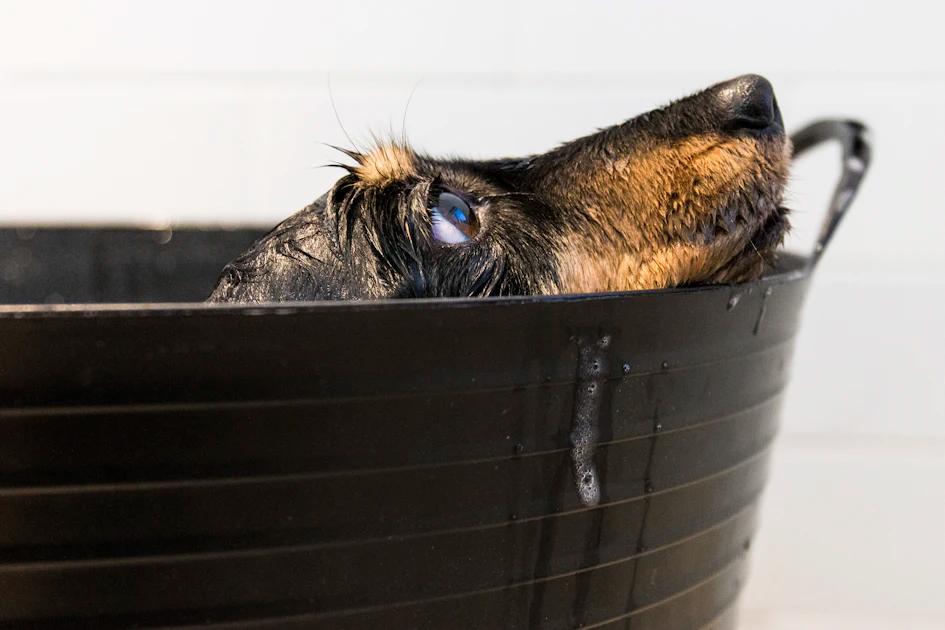
Many dogs tolerate baths better when the process is calm, efficient, and well-prepared.
Pre-Bath Preparation
- Detangle First: Never wet a matted dog. Water tightens mats, making them impossible to brush out and causing significant pain. Brush thoroughly before the bath.
- Protect the Ears: Place cotton balls lightly in the outer canal of your dog’s ears to prevent water ingress, which can lead to ear infections.
- Use Lick Mats: A crucial dog cleaning tip for anxious pets is distraction. Smear peanut butter (xylitol-free) or wet food on a silicone lick mat adhered to the shower wall to keep them occupied.
Bathing Technique
Start rinsing and washing from the neck backward, leaving the head for last. This helps prevent the dog from shaking until the main body is saturated.
- Lather Deeply: Ensure the shampoo reaches the skin, especially on double-coated breeds. Massage gently to promote circulation.
- Rinse Thoroughly: Residual soap is a common cause of itching and irritation. Rinse until the water runs completely clear—then rinse once more for good measure.
Drying Safely
Toweling removes surface moisture, but for long-haired dogs, a high-velocity dryer is essential. It thoroughly dries the coat down to the skin, which is vital for preventing fungal and bacterial growth (hot spots).
Expert Tip: If using a human hairdryer, ensure it is set to the lowest, coolest setting to avoid overheating the skin.
Tackling the Tough Spots: Essential Maintenance Checks
Some areas require careful, targeted cleaning to prevent infections and discomfort.
Ear Cleaning
Ears should be checked weekly. Dogs with floppy ears (like Beagles or Cocker Spaniels) are prone to moisture retention and infections.
- Use Appropriate Solution: Never use plain water. Use a veterinarian-recommended ear cleaning solution. Apply a small amount to a cotton ball or gauze pad.
- Wipe Gently: Wipe the visible parts of the outer ear flap and canal. Never use cotton swabs (Q-tips), as they can push debris further into the ear canal.
If you notice redness, swelling, excessive odor, or your dog frequently shakes their head, seek veterinary attention immediately.
Paw Care and Cleaning
Paws endure extreme conditions, from hot pavement to ice salt. Inspect and clean paws after outdoor activities.
- Check Between Toes: Look for embedded debris, foxtails, or cracked pads.
- Trim Paw Hair: Keep the hair between the paw pads trimmed flush. This prevents snow, ice, or mud from accumulating and causing irritation.
- Moisturize: Apply a high-quality paw balm or coconut oil to cracked pads, especially in dry winter months.
More Than Just Fur: Dental Health and Nail Care
Neglected oral hygiene can lead to severe systemic health issues, and overgrown nails can cause pain and structural damage.
Dedicated Dental Care for Dogs
Periodontal disease affects 80% of dogs by age three. Daily brushing is the gold standard of dog cleaning tips for oral health.
- Use Enzymatic Toothpaste: Only use toothpaste formulated specifically for dogs (which is safe to swallow). The enzymatic action breaks down plaque.
- Focus on the Molars: Spend the most time brushing the outside surface of the back molars, as this is where plaque builds up fastest.
- Supplements: Dental chews, water additives, and specialized diets can help supplement, but not replace, brushing.
Nail Trimming Without Fear
Many dogs fear nail trims due to past experiences where the quick (the nerve and blood supply within the nail) was accidentally cut.
- Short, Frequent Trims: Trimming a tiny amount off the tip every week encourages the quick to recede, making future trims safer.
- Use a Grinder: A Dremel tool or pet nail grinder is often less frightening for dogs and allows for more precise trimming, smoothing sharp edges.
- Keep Styptic Powder Handy: If you accidentally cut the quick, immediately apply styptic powder (or cornstarch/flour in an emergency) to stop the bleeding.
Managing the Mess: Shedding and Home Cleanup
Even the cleanest dog contributes to household hair and dirt. Effective management minimizes the impact on your home environment.
Shedding Management Strategies
Daily brushing during peak shedding season (spring and fall) is non-negotiable. Focus on getting down to the undercoat with a rake or slicker brush.
- Dietary Support: Ensure your dog is on a high-quality diet rich in Omega fatty acids (3 and 6), which promote healthy skin and reduce excessive shedding.
- Professional De-Shedding: A professional groomer can perform specialized de-shedding treatments that remove significantly more dead hair than home brushing alone.
House Cleaning Hacks for Pet Owners
- Vacuum Choice: Invest in a powerful vacuum with strong suction and a HEPA filter to capture fine dander and hair that triggers allergies.
- Fabric Care: Use washable blankets and furniture covers. Add a half cup of white vinegar to your laundry cycle when washing pet bedding—it naturally neutralizes odors and removes residual detergent.
- Quick Wipe Downs: Keep pet-safe wipes near the door to quickly clean paws and bellies after walks, drastically reducing the amount of dirt tracked inside.
Conclusion
Integrating these comprehensive dog cleaning tips into your pet care routine ensures not only a clean dog but also a significant improvement in their long-term health and comfort. Consistency, the right tools, and positive reinforcement during these processes transform grooming from a chore into a valuable bonding experience between you and your cherished companion.